Lapis lazuli primarily originates from Afghanistan's Badakhshan mines, though major deposits exist in Chile and Russia. Authentic material can be acquired through specialized gem dealers, reputable mineral shops, verified online marketplaces for natural stones, and certified art suppliers for pigment-grade variants. Remember: Prioritize suppliers offering verification documentation for high-grade Afghan stones.
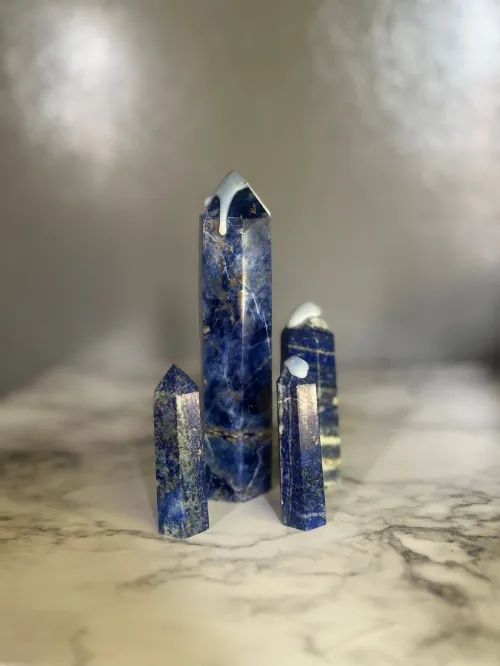
Picture Priya, excitedly unboxing lapis beads ordered online only to find them paler than the vivid photo suggested. Or David at a gem fair, comparing vendors' "premium Afghan" sections while noticing inconsistent colors. These experiences highlight common challenges when sourcing lapis lazuli - bewildering price differences, authenticity doubts, and confusion about geographical labeling. Many enthusiasts struggle to distinguish natural specimens from treated alternatives or navigate varied quality tiers. This guide examines six essential aspects of lapis acquisition and verification, transforming uncertainty into practical evaluation skills.
When beginning a lapis lazuli search, people often ask where to buy it immediately. This urgency often leads to rushed decisions at gem fairs or quick online purchases. Without context about supply chains, buyers may overlook crucial verification details.
The clearer way to understand sourcing is that Afghanistan's Badakhshan province produces approximately 82% of high-grade lapis, while Chilean specimens typically show more pronounced white calcite veining. Material traded through hubs like Dubai or Tucson gem shows tends to be more thoroughly vetted. Reputable dealers provide geological origin documentation, particularly for premium Afghan stones. Art supply specialists carry pigment-grade lapis that has undergone water refining to remove calcite impurities.
Next time you assess a supplier, request dark-backdrop photographs showing true color depth. Verify whether their return policy specifically addresses potential color discrepancies. For investment-grade purchases, prioritize sellers offering certificates confirming the absence of dye treatments.
Many assume lapis lazuli is simply "mined and sold," but its journey explains quality differences. Buyers wonder why seemingly similar stones carry such price variations before learning how formation impacts structure.
In reality, lapis forms through contact metamorphism of limestone deposits over millennia. Russian lapis near Lake Baikal often exhibits distinct green undertones due to mineral ratios. The mine-to-market journey creates pricing tiers: material is categorized for cabochon cutting, carving, or pigment production based on color saturation and structural integrity. Major wholesalers refine rough stones in Peshawar before global distribution.
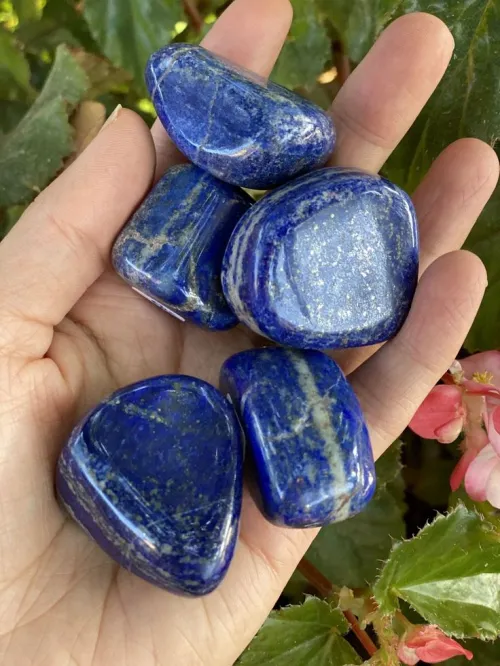
When comparing pieces, ask dealers: "Can you describe the cutting process used?" Prioritize cabochons with uniform planes - this indicates minimal material loss during shaping. Remember that natural specimens contain characteristic elements: blue lazurite, gold pyrite flecks, and white calcite streaks in unique combinations.
Consider David's gem fair experience: vendors called all material "premium Afghan," yet colors varied. A bargain hunter might assume all lapis behaves similarly, overlooking crucial authenticity clues.
Actually, several physical signals differentiate natural from treated stones. Untreated lapis typically shows uneven pyrite fleck distribution rather than uniform patterns. Under UV light, natural material may exhibit moderate phosphorescence while synthetics won't react. Crucially, lapis registers 5-5.5 on the Mohs hardness scale - synthetics often feel harder during scratch tests.
Practical Examination Steps
Test specimens using these field methods: First, examine under bright light for unnatural color patchiness suggesting dyes. Lightly rub the surface; tackiness might indicate resin stabilization. Apply a damp cloth and check for color bleeding - common with dyed material. Finally, note warming speed against skin; synthetics often conduct heat slower than natural stones. These observations help bypass misleading labels during purchasing.
Faced with confusing price variations like Maria discovered online, newcomers struggle to assess true worth. A common assumption equates color darkness with quality, ignoring other critical factors.
The practical perspective: Untreated Afghan lapis typically commands 30-50% higher premiums. Calcite veining density impacts value too - dense white patterns lower jewelry-grade valuation. Crucially, "AAA grade" refers to intense royal-blue hues with minimal veining. Chilean material's greenish undertones place it in a different pricing category despite similar appearances.
Create a personal evaluation checklist: Royal blues > greenish blues; moderate pyrite flecks > dense metallic clusters; untreated certification > no documentation. When purchasing, always balance appearance against the documented traits that impact long-term value. Request mineral ratio percentages from premium vendors.
After obtaining lapis, people often unknowingly expose it to damage. Many believe it requires the same care as harder gemstones, causing preventable scratches or chemical reactions.
Material properties dictate care requirements: Lapis tends to scratch easily due to its moderate hardness. Calcite veins may yellow slightly over prolonged sun exposure. Water interaction can trigger quality issues in treated stones - color bleeding might become apparent during cleaning.
Maintain dedicated soft compartments for storage. Consider display cases away from direct sunlight. Clean gently with dry microfiber cloths rather than liquid cleaners - if damp cleaning becomes essential, limit contact time. For frequently handled pieces like rings, inspect settings annually to secure the stone.
Tom inherited a lapis ring but ignores decorative or artistic applications. Many owners don't realize lapis has multiple application tiers, especially when assessing inherited pieces.
Pigment-grade lapis undergoes specialized processing where calcite veins are removed through water refinement. Collectors seeking specimens with striking calcite patterns exist. Untreated raw crystals appeal to mineral collectors rather than jewelers. Pricing differs significantly across these markets.
When evaluating pieces, determine primary applications: Carving-grade material shows structural integrity despite complex patterns. Pigment-bound stones must avoid stabilization resins. Decorative items can use Chilean sources while jewelry requires Afghan consistency. Recognize your specimen's optimal application before sale or repurposing.
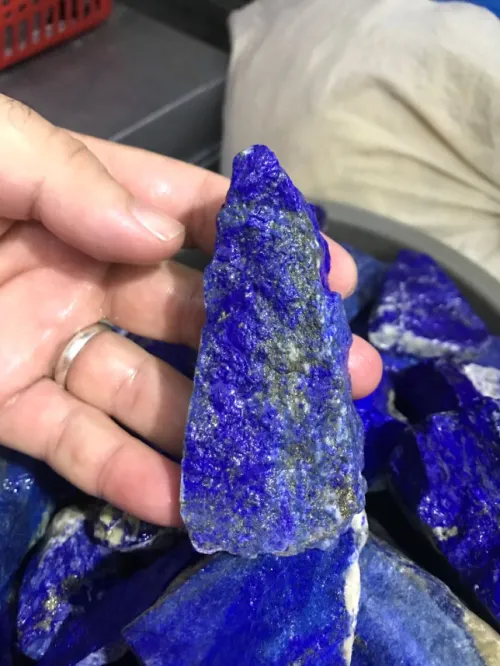
Mastering lapis evaluation relies on consistent observation, not mystical knowledge or single tests. During encounters, examine the three Cs: Color distribution, Component ratios, and Care condition first. Remember that pyrite patterns serve as nature's signature - natural arrangements feel organically asymmetrical. Finally, origin verification remains the cornerstone for premium material assessments.
Apply these incremental steps: Next encounter, study pyrite fleck distribution before surface texture. When reviewing online, insist on dark-backdrop photos showing true hues. Remember, dealers prioritizing material documentation often provide clearer color descriptions. Each thoughtful inspection builds sharper judgment - expertise involves layered observation, not instant expertise.
What distinguishes Chilean and Afghan lapis lazuli?
Afghan material typically appears intense royal blue with moderate calcite veins, while Chilean may show green undertones with more pronounced white patterning. The former commands higher valuation in jewelry contexts.
Why is AAA grade lapis more expensive?
This designation indicates premium royal-blue hues with minimal veining and consistent pyrite distribution. Untreated AAA specimens may fetch 30-50% higher prices at auctions.
Where to source authentic pigment?
Certified art suppliers carry pigment-grade lapis processed through water refinement to remove calcite. Commercial-grade options might contain residues that affect watercolor applications.
How to identify synthetic substitutes?
Synthetics may demonstrate unusual warmth conductivity or display overly perfect patterning. The presence of glass-like reflections can suggest artificial composition beneath the surface.


$
