Lapis lazuli serves primarily as a striking blue semi-precious stone for jewelry and decorative objects, renowned for its deep azure color with golden pyrite flecks. Historically significant as an art pigment, its core function remains aesthetic enhancement – creating visually compelling pieces without therapeutic promises. If you remember one thing: Value stems from its unique visual properties, not unverified claims.
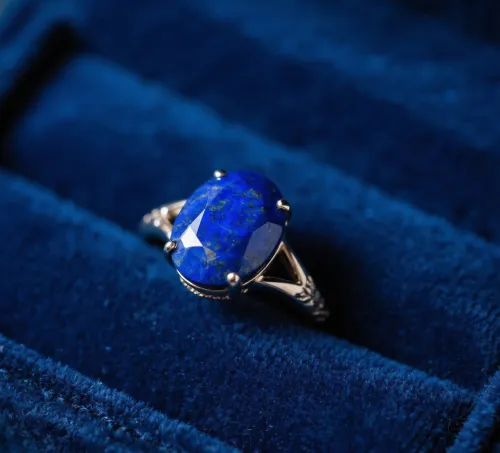
Ever found yourself captivated by lapis lazuli's rich blue tones while browsing online jewelry, only to wonder if the actual color matches online photos? Or perhaps you've admired an ancient artifact at a museum and questioned why it held such historical prestige? Such situations reveal common dilemmas about authenticity, visual expectations, and inherent value that many encounter. This article clarifies what lapis lazuli truly does by walking through key questions: "Is it practical for daily wear?", "How can I spot genuine quality?", and "Why does historical significance matter today?" We'll examine common assumptions against verifiable details so you can confidently evaluate this stone in any context.
Many first encounter lapis through its decorative appeal, often assuming it's valued for rare metaphysical properties like mood enhancement or spiritual alignment. This perspective arises from frequent promotional language that emphasizes subjective experiences over measurable qualities.
In reality, lapis lazuli’s primary functions are tangible and aesthetic. Composed mainly of lazurite alongside calcite and pyrite, its primary purpose is visual enhancement. The minerals within it create the deep royal blue hues and golden flecks cherished across cultures. Historically, it transformed into ultramarine pigment for iconic artworks, showcasing its practical artistic function. Modern applications prioritize decorative and ornamental roles in jewelry like cabochons or beads, serving as statement pieces and inlaid designs without health guarantees.
When you evaluate lapis, start by observing color uniformity under different lights: Consistent blue without grayish tones may suggest higher lazurite content, though white streaks aren’t flaws but natural calcite patterns. Next, observe pyrite fleck distribution – scattered golden specks typically indicate authenticity, while clustered formations might reflect mineral impurities. These visual clues help separate actual physical properties from overstated marketing claims.
Imagine receiving a lapis pendant as a gift and loving its look while worrying whether it will retain its beauty over years of wear. This blend of admiration and caution is natural, as gemstones vary dramatically between pieces.
The clearer way to understand lapis involves linking physical properties to observable outcomes. With a 5-6 rating on the Mohs hardness scale, it has moderate durability but can acquire scratches if knocked against harder objects. While it resists light daily impact when set in protective bezels, its calcite content may create pores or graininess, affecting surface smoothness after long use. Sensitivity to acids in skin oils or cosmetics may cause dullness; such factors don’t diminish value but clarify realistic maintenance expectations.
Apply this understanding when selecting pieces: Compare weight density to similarly sized stones – authentic lapis feels heavier than synthetic alternatives. Check edge sharpness on carved items; micro-chipping, if present rarely decreases value but signals moderate fragility. Such tangible tests ground choices in physical reality rather than aspirational descriptions.
A frequent source of confusion is how natural minerals like lapis lazuli achieve such vivid colors. Many assume deeper blues always mean superior stones.
Geologically speaking, lapis forms through metamorphic processes in limestone mountains over millennia, mainly sourced from Afghanistan, Chile, and Russia. Its signature azure comes from varying lazurite concentrations, while calcite forms white veining and pyrite provides golden specks. Blue intensity may differ depending on origin depth and elemental mixing. Premium Afghan lapis tends toward royal blues due to higher lazurite density, though Chilean examples often display brighter cerulean tones. These variations reflect geological diversity rather than strict quality tiers.
Notice what pyrite distribution tells you: Stones with evenly scattered flecks tend to have structural integrity, where clustered formations may indicate less stable formation. When researching purchases, ask sellers about regional origins to inform expectations – Afghan deposits may suggest richer blues while accepting moderate calcite streaks as natural features. This helps contextualize variations as mineral fingerprints rather than defects.
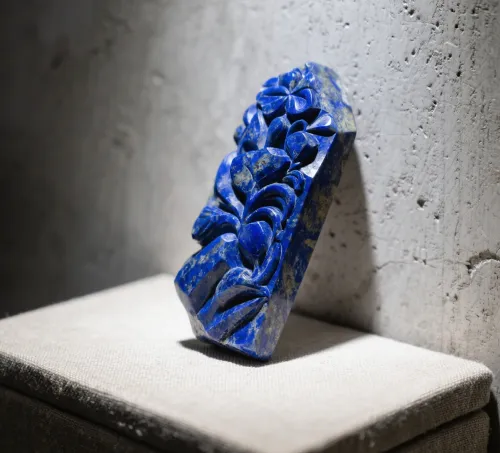
At flea markets or online stores, you'll encounter pricing inconsistencies fueling hesitation. Lower-priced pieces may be mistaken as false bargains when they're actually authentic but with visible calcite.
A practical authenticity assessment involves visual checkpoints. Examine reflective dazzle: Move the stone against light; brilliant pyrite gleam typically suggests natural material, though resin imitations display uniform sparkle instead. Moisture tests offer clues – applying temporary water drops may temporarily deepen color in untreated stones, while permanent darkening can signal artificial dyes. Furthermore, lapis typically undergoes no synthetic enhancements beyond polishing, retaining natural textural variations.
Employ this three-point inspection: First, analyze hue consistency across light sources (sunlight, indoor lamps). Second, test weight against comparable items. Third, gently rub a damp cotton swab on discreet areas watching for color bleed. When shopping next, prioritize sellers offering multi-angle images and return policies to verify real-life appearance post-purchase.
Selecting high-use items like rings prompts reliability concerns. Without practical guidance, many hesitate to invest beyond display pieces.
Deciding how to use lapis hinges on aligning expectations with physical properties. Stones featuring even pyrite speckling and minimal surface pores often withstand handling better. For daily-wear jewelry like rings, protective settings that shield edges greatly minimize contact with abrasive surfaces. When selecting decorative objects, look for substantial calcite-free sections where color saturation appears uniform, as this may imply better longevity against abrasion.
Use care protocols that balance preservation with enjoyment: Store separately in soft pouches to prevent scratches from harder gems. Clean gently using dry microfiber cloths instead of steam or ultrasonic methods which risk loosening beads or damaging porous sections. In your next shop encounter, seek stones showing consistent blue coverage and intact edges while recognizing visible calcite isn’t inherently negative – it contributes to natural character.
Historical lapis artifacts prompt deeper questions about its cultural versus functional roles. Contemporary applications inherit these tensions.
Acknowledging its cultural significance while separating functionality reveals broader context. While Renaissance artists valued its pigment for frescoes, today’s applications don’t require such intensity. Modern lapis jewelry serves aesthetic purposes through faceted beads or polished cabochons, not medical benefits. Regarding spiritual associations: Though culturally tied to wisdom traditions, such interpretations remain subjective and unverified.
Observe subtle experience signals like long-term color stability: Some untreated stones deepen gracefully with gradual oxidation, while lower-grade variants may require special care. This doesn’t diminish their appeal but informs maintenance choices. Approach lapis valuing its historical craftsmanship while focusing current choices on visible quality.
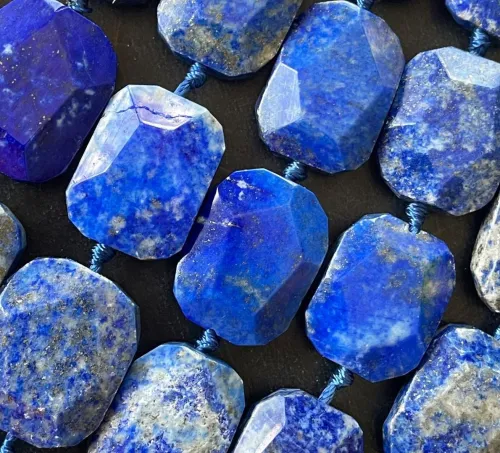
Evaluating lapis doesn't mean memorizing every geological detail. Focus on two crucial takeaways: First, value resides in observable characteristics like even blue saturation and natural pyrite presence rather than marketed superlatives. Second, practical longevity requires matching usage to its moderately durable nature – protective settings shield rings while decorative objects thrive with gentle cleaning.
Apply this simply: Next time you see lapis jewelry, start by checking weight for substance against potential synthetics, then observe pyrite glitter under varied lighting. For home items, note calcite patterns as unique identifiers before considering placement or care. Progress comes from noticing these small tangible details consistently rather than seeking perfection instantly.
Q: Where is lapis lazuli primarily sourced?
A: Major deposits exist in Afghanistan, Chile, and Russia, with Afghan material often exhibiting deeper blues due to lazurite concentration. Regional variations in color tones reflect geological differences.
Q: Is lapis lazuli durable enough for ring settings?
A: Its 5-6 Mohs hardness makes it moderately durable when used in protective settings like bezels for occasional wear. Daily-use rings may show scratches without safeguards.
Q: How should lapis lazuli jewelry be maintained?
A: Avoid chemicals or prolonged water exposure. Clean gently with dry microfiber cloths and store separately from harder gems to prevent surface scratches. Tarnish due to acidity may occur with chronic contact.
Q: How is quality or grade typically evaluated?
A: Quality factors include uniform blue coloration with minimal calcite veining, balanced pyrite distribution, and polished smoothness without visible pores. Higher-grade pieces tend to maintain clearer color saturation.


$
