Lapis lazuli is fundamentally classified as a rock, not a mineral. This metamorphic rock consists primarily of lazurite along with calcite and pyrite – multiple minerals bound together naturally. Remember this core geological principle: rocks are aggregates of minerals, not singular substances. If you take away one fact, let it be that lapis lazuli's multi-mineral composition squarely places it in the rock category under scientific classification.
Have you ever examined jewelry labels describing lapis lazuli as a "semiprecious stone" while geology sources call it a "rock"? Or wondered why that stunning blue pendant develops white streaks unseen in product photos? These contradictions stem from lapis lazuli's dual identity in commercial versus scientific contexts. Jewelers emphasize aesthetic value while geologists focus on composition. This confusion extends to everyday experiences – when your lapis lazuli jewelry scratches easily, it's directly tied to its mineral mixture rather than defect. Throughout this article, we'll clarify these discrepancies using observable characteristics and geological principles. You'll learn to independently classify lapis lazuli through specific visual analysis, understand its formation processes, and apply practical identification insights during your own examinations.
Many assume lapis lazuli is a mineral due to its gemstone classification in jewelry contexts. This intuitive labeling occurs because we encounter processed pieces in stores where "stone" terminology prevails. People logically associate consistent blue coloration with uniform mineral composition.
In geological reality, rocks are defined as cohesive aggregates of multiple minerals. Lapis lazuli specifically qualifies as a metamorphic rock formed under heat and pressure. Its composition typically includes 25-40% lazurite, 20-40% white calcite, and 5-10% metallic pyrite. Unlike minerals which exhibit consistent chemical formulas, this variable mixture creates lapis lazuli's signature appearance. The presence of multiple minerals chemically bonded during formation provides the conclusive basis for rock classification.
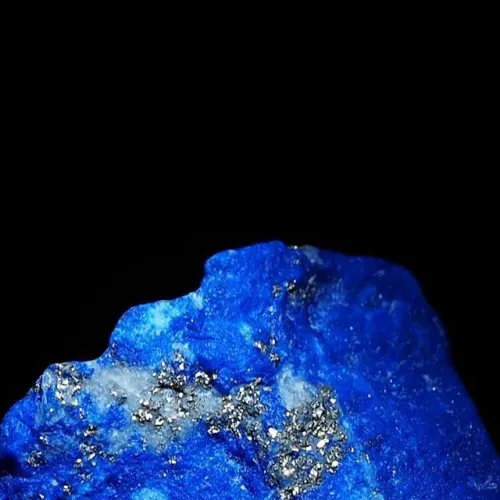
When examining potential lapis lazuli, first seek mineral diversity: blue lazurite sections will be intergrown with white calcite veins and golden pyrite flecks. Use a 10x magnifier if available. This multicolored complexity signals rock rather than mineral status. Remember, homogenous single-mineral samples indicate pure lazurite – geologically distinct from lapis lazuli rock despite similar coloration.
"Why does my antique lapis pendant scratch while quartz stays pristine?" collectors often wonder after examining damage. This observation arises because jewelry labels rarely explain how lower Mohs hardness (5-5.5 versus quartz's 7) stems directly from calcite content. Everyday encounters highlight how practical properties derive from composition.
This moderate durability reflects its rock composition: calcite regions wear faster than denser lazurite sections. Unlike pure minerals that exhibit consistent hardness, lapis lazuli shows variable durability across its surface. Temperature retention observations also demonstrate practical differences: lapis lazuli tends to feel cooler longer than glass imitations due to density. These sensory clues emerge from mineral interactions, not single-mineral properties.
Inspect jewelry settings regularly. Notice powdery residue near edges? This "edge friability" indicates calcite matrix erosion. When shopping, place specimens on white paper under natural light. Premium examples show violet undertones and natural color zoning - inconsistencies confirming multi-mineral rock composition. Avoid faceted designs for lapis jewelry; cabochon cuts minimize stress on weak boundaries where minerals meet.
When museum visitors see lapis lazuli beside pure lazurite, a question emerges: "Why such visual differences between supposedly related materials?" This curiosity stems from assuming identical formation processes. Visitors infer that similar origins would create identical appearances.
Lapis lazuli forms uniquely through contact metamorphism. This transformation occurs when magma-generated heat chemically alters limestone deposits. Under these conditions, diverse minerals like lazurite, calcite and pyrite recrystallize together. This contrasts with lazurite mineralization which can form independently. Key geological evidence includes Afghanistan's Kokcha River valley deposits where metamorphism transformed sedimentary marble layers over millennia. The characteristic white veining traces back to the original limestone's calcium content becoming recrystallized calcite.
When examining raw specimens, look for the marble-like matrix indicating metamorphosed limestone. Notice how calcite veins flow through material like mineral rivers. These formations directly contradict uniform crystallization patterns seen in single-mineral lazurite. Understanding this backstory helps you appreciate why lapis lazuli requires rock-level classification despite the vivid blue sections drawing visual attention.
Online jewelry shoppers frequently report surprise upon noticing unexpected streaks in lapis lazuli pieces - characteristics hidden in product photos. This occurs because commercial images emphasize uniform blue. Yet variable appearance actually validates lapis lazuli's rock status through visible mineral heterogeneity.
Three primary visual indicators reveal mineral diversity: inconsistent blue saturation (calcite concentration influence), golden flecks (pyrite presence), and waxy luster (resinless polish). The distinctive royal blue emerges from sulfur bonds specifically within lazurite crystals, not throughout the entire material. Experienced collectors examine natural lighting responses since pure minerals like sodalite show different refractivity.
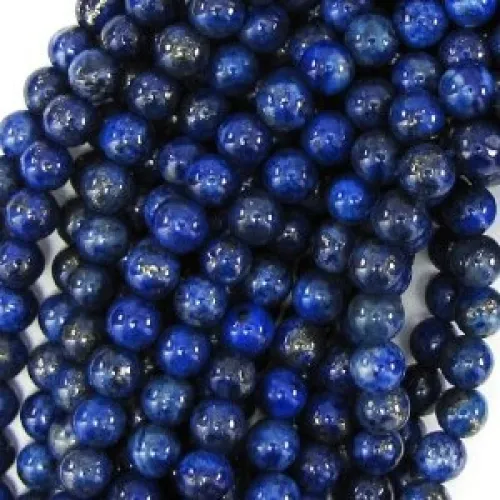
Use simple daily observation routines. Place jewelry beneath desk lamps at 45-degree angles. Note which areas reflect light differently - matte patches suggest emerging calcite. Examine fleck patterns: authentic pyrite shows irregular crystalline shapes, not uniform metallic dots. For significant purchases, apply a white paper test: place beads against blank paper to evaluate true color character beyond retail lighting. Document your findings; comparative analysis develops expertise.
A recurring collector frustration involves premature scratches on lapis lazuli treasures. This common experience understandably generates quality concerns. Yet rather than indicating defects, such vulnerability stems directly from its rock composition and variable mineral hardness.
The composition dictates practical limitations: pyrite-rich zones exceeding 5% concentration may develop fractures, while calcite areas are particularly vulnerable to scratching and acidic cleaners. Unlike homogenous gem minerals, lapis's durability fluctuates across its surface. Its 5-5.5 Mohs hardness results from "hardness averaging" between lazurite (5.5) and calcite (3). This translates to care requirements fundamentally different from singular-mineral gemstones.
Implement these protection strategies: always store separately from harder stones like quartz; avoid ultrasonic cleaners that may fracture pyrite; clean exclusively with pH-neutral solutions to prevent calcite erosion. Examine cabochon setting edges monthly for fine powder indicating structural stress. Remember, lapis rings require protective settings unlike harder gems. These preservation techniques adapt directly to the material reality of composite rocks.
"Semiprecious stone" versus "metamorphic rock". Jewelry owners confront this labeling mismatch firsthand while researching damaged pieces. Terminology conflicts emerge because commercial terminology prioritizes beauty over geological accuracy. People naturally assume standardized definitions when handling valued objects.
In scientific contexts, stones refer to rock fragments while minerals denote specific crystalline structures. Museums consistently classify lapis lazuli as rock, while jewelry marketing favors "stone" for consumer familiarity. Key distinctions appear in valuation: fine lapis displays mineral balance - moderate pyrite for character without compromising stability. White veining may be labeled "flaws" commercially while indicating natural calcite content to geologists.
Check labels critically. The term "natural lapis" should indicate untreated calcite veining rather than dye-homogenized pieces. When purchasing beads, examine drill holes: pale interiors suggest artificial coloration. Remember that "genuine" denotes natural material while "pure" incorrectly implies single-mineral composition. These linguistic distinctions become actionable knowledge during acquisitions or collections research.
Now you've accumulated layered understanding about what makes lapis lazuli geologically distinct - from formation processes to practical consequences of its mineral mixture. Focus on applying two foundational principles consistently: rocks require mineral diversity observable through examination, whereas minerals maintain consistent chemical uniformity. Next time encounter potential lapis lazuli, immediately conduct the visual triplet check: color zoning patterns, fleck distribution characteristics, and edge integrity analysis. Keep your magnifier accessible and trust observations over single-dimension marketing terms. Genuine expertise develops through systematic pattern recognition - not memorization. Why not examine your collection today using these techniques? Each practice session reinforces this understanding.
What mineral gives lapis lazuli its blue color?
Lazurite provides the characteristic blue through specific sulfur compounds. Calcite and pyrite influence patterning and stability.
Can lapis lazuli scratch easily?
Yes. Moderate hardness (5-5.5 Mohs) and calcite content means lapis lazuli may show scratches more readily than harder gems.
What indicates higher quality lapis specimens?
Premium examples often show violet-blue saturation under natural light. Value typically increases with lazurite density while maintaining structural integrity.
Is lapis lazuli durable for rings?
As softer rock needing protection, lapis usually performs best in pendants and earrings. Ring settings require protective design.


$
