Lapis lazuli is primarily used in jewelry like rings and necklaces for its deep blue color with golden pyrite flecks, ornamental objects such as carvings and vases, and historically as a pigment for ultramarine paint in art. If you remember one thing: always evaluate its color consistency and pyrite distribution to assess quality, as lapis lazuli's softness means it requires careful handling in practical applications.
If you've ever ordered lapis lazuli online only to find the blue looks uneven in real life, or seen two similar pieces at different prices due to color intensity, you're not alone. Many people encounter surprises because lapis lazuli varies in quality based on its mineral makeup. Confusion often arises from mismatched photos, durability myths, or historical glamorization. This article clarifies common observations and simplifies how the stone's properties determine its uses. We'll break down why that gift pendant doesn't match photos, how to spot authentic stones, and practical ways to choose pieces for jewelry or decor—helping you cut through misinformation and focus on verifiable cues.
You might think lapis lazuli is just for fancy jewelry with little practical function. This view comes from seeing glamorized displays in stores or art history books, where its vivid appearance overshadows real-world limits. For example, as an online shopper expecting a bracelet to match its photo, frustration stems from believing all stones perform the same.
In reality, lapis lazuli is primarily used in jewelry like pendants and earrings for its visual appeal, decorative carvings due to its workable density, and historically as an ultramarine paint pigment—applications arising directly from its composition. Key properties include a Mohs hardness of 5 to 5.5 and color variations from deep azure to light shades, meaning it suits settings receiving minimal impact.
When choosing jewelry, apply this hands-on: Observe the setting first; pendants minimize abrasion better than rings. Next, test durability by rubbing beads lightly with a fingernail—minor pressure shouldn't chip edges. Finally, if creating art, limit pieces to display roles. Next time you browse, this quick assessment can help avoid using it where harder gems prove practical.
Imagine receiving a lapis pendant as a gift and noticing the gold specks look less uniform than photos—it prompts doubts about authenticity. This happens because digital images enhance details, and as a first-time owner, differences spark confusion when real-life light reveals inconsistencies. Shoppers often question pricing without understanding what visible traits matter most.
Clarity comes from recognizing material behaviors: Pyrite inclusions normally scatter randomly, while clusters may indicate lower quality. Color fading tends to occur over time with light exposure in lower-grade stones. Since synthetic forms exist, like dyed howlite, genuine stones shouldn't bleed color on moist cloths—a signal easily over missed if you're not looking.
Check intelligently: Start with surface signals and response tests. Wipe beads briefly with a damp cloth; no dye transfer supports authenticity. Notice calcite streaks under sunlight—excessive white means more fragility in functional items. By focusing on these simple steps, you can confidently verify products and explain budget differences when shopping.
Hobbyists crafting DIY pieces often find lapis beads chip easily versus harder gems, raising the question: Why such vulnerability? Without knowing composition, users mistakenly demand durability exceeding its nature. Similar confusion affects jewelry choices—many assume all blue stones share sapphire-like resilience.
A clearer way to see it lies in its makeup: Primarily lazurite for blue tones, calcite as a white matrix, and pyrite as flecks. This soft mixture forms in limestone deposits, making it prone to scratches with everyday contact. Ornamental use fits well because controlled carving takes advantage of density without pressure risks. Acid reactions can occur too—store it away from chemicals.
Apply this knowledge immediately: Look for mineral balance. Intense color suggests higher quality, but inspect for cracks that intensify fragility. Compare origins—Afghan stones often have richer blues ideal for showpieces. When planning projects, choose lapis for decorative items over high-impact rings; your decision-making becomes precise and experience-informed.
You've likely faced two identically priced stones displaying varying blue hues—fueling uncertainty about why value shifts. This puzzle emerges from marketing buzzwords that don't define true quality signals, leaving budget-conscious buyers perplexed by hidden factors like light reflectivity.

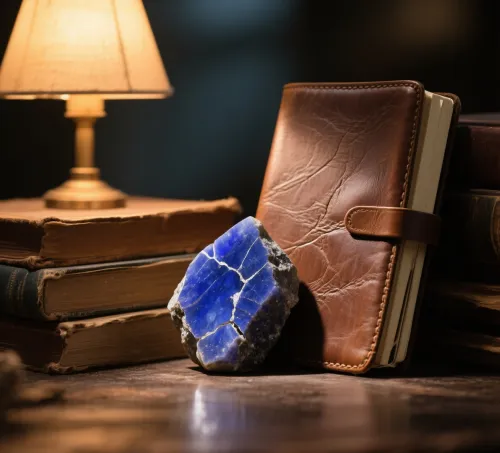
Authentic differences show through experience signals: Pyrite distribution should appear random, not clustered. View stones in natural light without shadows to assess color saturation effectively. Dull, chalky finishes can imply damage from wear or cleaning. Importantly, uniform dark hues with golden flecks and minimal white streaks signal higher quality, but uneven polishing may reveal mass-production flaws.
Build your observation routine: First, rotate items under daylight to note inconsistencies. Feel surfaces for smoothness—rough patches warn of softness issues. Document changes over weeks; fading might indicate care needs. When evaluating, prioritize these signals over promotional tags, and you'll develop an eye for what lasts in jewelry or decor.
Jewelry makers experience practical dilemmas, like beads chipping during assembly, yet sellers rarely highlight wear risks upfront. Assumptions that "all gems are equally tough" lead to material mismatch, especially for DIY enthusiasts unfamiliar with hardness scales.
Solutions stem from proven practical tips: Always handle lapis lazuli separately—store in soft pouches to prevent scratches. For daily jewelry, select pieces like pendants that avoid constant bumping. Testing dye with alcohol helps identify treated stones that may discolor. And origin details matter; sources from Chile may offer lighter shades vs. Afghan deposits' deep blues.
Adopt these filters when choosing: Start with intended use—reserve rings for occasional wear. Inspect under natural light to catch white veins suggesting reduced quality. Ask sellers about geological sourcing to gauge authenticity patterns. With each purchase, verify one or two key tips first; this habit builds protection against poor decisions without overwhelming effort.
Owners frequently mistake lapis lazuli for a hardy material, asking "Can I wear it all the time?!" This arises from seeing delicate items showcased as durable in ads, particularly for wedding bands, creating unrealistic expectations about endurance.
Realities clarified: Mohs softness means daily rings can incur chips; pendants serve better. As a pigment, its color withstands light well, but jewelry maintenance requires gentle cleaning—avoid steam methods. Regarding rarity, high-value stones show intense, uniform colors with scattered pyrite, though affordability exists in grades with calcite streaks. With care, ornaments preserve well without magical promises.
Check relevance to you: Assess lifestyle routines—if active, opt for shorter-wear pieces. Test home cleaning first with a damp cloth before full immersion. When comparing prices, focus on visible characteristics rather than hype; incremental attention minimizes regret and empowers smarter use.
Review three core insights: Lapis lazuli shines best in settings minimizing abrasion, its blue-to-fleck ratio determines value, and visual signs like moisture response reveal treatments. Progress comes from small, consistent checks—not overnight mastery.
Action Plan: Next time you encounter lapis lazuli in stores or projects, first examine the item's edges for minor wear and surface smoothness under light. Keep expectations realistic—accept that softer gems require thoughtful handling. With practice, you'll confidently discern fit-for-purpose uses and sidestep misleading claims.
Q: Can lapis lazuli be worn every day or is it too delicate?
A: Lapis lazuli may develop scratches or chips with frequent contact due to its softness. Careful jewelry placement, like pendants instead of rings, tends to preserve appearance better for regular use.
Q: How to clean lapis lazuli safely at home?
A: Use a soft, damp cloth with mild soap for gentle cleaning—avoid ultrasonic tools or solvents that can cause damage or potential dye bleeding in treated stones.
Q: Why does lapis lazuli have gold flecks in it?
A: Gold flecks occur naturally from pyrite minerals in the stone's composition. They scatter randomly in higher-grade pieces and can appear clustered in lower-quality or synthetic versions.


$
