Wear a lapis lazuli ring on any finger that feels comfortable for personal style expression. Prioritize protecting it from physical impacts and chemical exposure by removing during demanding activities. Accentuate its deep blue beauty by pairing with solid-colored clothing.

You might have just received a lapis lazuli ring as an heirloom gift, debating whether its perceived delicacy allows daily wear. Or perhaps you saw one online, intrigued but uncertain how its vivid blue would complement your skin tone. Existing owners might discover their ring's color seeming less vibrant, struggling to identify the cause. These experiences are common when navigating this ancient gemstone. This guide steps through the realities beyond the mystique, focusing on observable properties and practical habits. We'll clarify how the stone interacts with daily environments, highlight key care priorities, and build your confidence to make informed wearing decisions.
Many new owners wonder about immediate precautions with lapis lazuli, especially if transitioning from harder gemstones. This stone differs in its fundamental composition. It's reasonable to question whether basic activities like hand-washing or typing could harm it. Understanding these boundaries helps balance enjoyment with preservation.
In reality, lapis lazuli's durability reflects its geological profile. With a Mohs hardness rating of 5-6, it may scratch when contacting harder materials like quartz or diamond. More critically, its mineral composition creates porosity meaning liquids and chemicals can penetrate microscopic spaces over time. Think of it as needing thoughtful handling rather than fragility.
Start with two simple precautions: First, notice setting abrasion lines - inspect where the metal clasp meets the stone for fine scratches that suggest friction during wear. This indicates risky contact points. Second, adopt the "chemicals first" practice: Apply perfumes, lotions, or hairsprays before putting on the ring. Pair this with removal during high-impact tasks like gardening or heavy lifting. These habits create foundational safety.
Lapis lazuli jewelry becomes meaningful through regular use, yet some hesitate to treat it as everyday wear. People might describe their ring suddenly looking diminished after months of constant use. Others avoid pairing it with different metals or situations beyond formal events. This uncertainty often stems from unseen wear patterns.
Lapis is chemically sensitive to acids and alkalis, meaning it may develop surface dullness with exposure. The pyrite flecks - those golden specks valued in quality stones - can oxidize with prolonged moisture contact, appearing less sparkly under light. However, mindful integration remains possible through practical awareness.
Observe your ring's surface weekly: Run a fingertip lightly across it to feel for minute abrasions, indicating abrasive contact. Rotate it under a lamp to check for uneven sheens suggesting micro-scratches. For daily comfort, choose low-profile bezel settings that minimize protrusion. Rotate wearing days if metal near the setting appears quickly worn. Most importantly, remove jewelry when washing hands to limit soap residue buildup, pairing this with separate storage in soft-lined compartments.
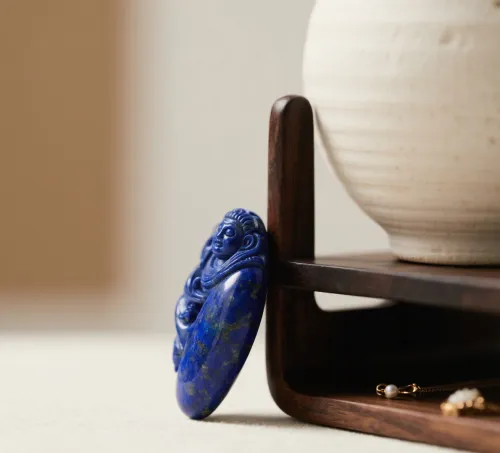
Seeing lapis lazuli as simply "blue stone" overlooks critical material traits. The natural formation brings together minerals like lazurite, calcite, and pyrite. Owners occasionally notice unexpected changes - maybe a whitish spot appears or the stone seems less vibrant. These often trace back to the material's inherent qualities interacting with environments.
Calcite veins contribute to porosity, creating microscopic paths for liquids to enter over time. Thermal shock is possible from sudden temperature changes due to heterogeneous composition. Crucially, lapis requires specific polishing methods unlike harder gemstones; aggressive cleaning can permanently alter the surface.
Check two visual indicators monthly: Compare blue intensity across different stone sections under natural light - localized bleaching suggests chemical interaction. Also observe pyrite sparkle under direct light; reduced reflectivity may indicate moisture issues. Remember: The stone’s vulnerability isn’t about weakness but specific reactive properties needing adapted care.
Changes in appearance sometimes cause alarm or confusion. Many wonder if slight surface alterations indicate permanent damage. Others mistake natural properties for defects, especially regarding pyrite patterns. Learning to "read" signals transforms concern into informed understanding.
Increased surface roughness often forms gradually through micro-abrasions against harder surfaces. A loss of consistent sheen typically shows scratch patterns requiring professional polishing rather than home fixes. While quality lapis often contains pyrite flecks, these naturally oxidize over years affecting brightness. This evolution becomes more manageable when noticed early.
Conduct a simple monthly check: Hold your ring under consistent lighting, slowly rotating to observe light reflection patterns. Note any sections with dull splotches or shadow patterns that suggest texture changes. Then inspect pyrite flecks at multiple angles - diminished sparkle in specific zones may indicate chemical exposure spots. This focused observation helps identify issues before they compound.
Deciding "when to wear versus remove" feels challenging when balancing aesthetic appreciation with preservation. Individuals often hesitate during ambiguous situations like household cleaning or outdoor gatherings. Others wonder about swimming, cooking, or exercise. Establishing clear priorities simplifies these decisions.
Physical impacts carry more immediate risk than gradual chemical exposure. Chlorine in pools presents specific reactivity concerns for both stone and metal settings. Even seemingly low-impact activities like gardening carry abrasive potential. Creating categorical remove-first rules helps prevent uncertainty
Build your personal checklist using water, abrasion, and chemical triggers: Remove before any water immersion (pool, dishes, baths). Prioritize removal during high-contact tasks like sports or DIY projects. Develop muscle memory by placing a dedicated ring dish near chemical sinks or activity zones. Protect against thermal stress by avoiding direct sunlight display during extended periods. This targeted approach maintains enjoyment while minimizing avoidable risks.
How lapis lazuli interacts with environmental elements surfaces frequently. Owners question why sunlight matters or if their skincare causes discoloration. Others wonder about cleaning methods after encountering myths or aggressive product claims. These practical concerns trace back to material science.
Prolonged ultraviolet exposure may fade vibrant coloring over decades - a characteristic observable in museum collections. Perfumes contain alcohol and solvents that potentially degrade surface polish. Crucially, ultrasonic cleaners risk damaging lapis through vibrational impact on porous structures and fractures.
For cleaning, always start simple: Gently wipe with a microfiber cloth before considering other methods. Notice localized color changes? Think chronologically about potential triggers - recent lotion bases or new cleaning products. Avoid soaking or steaming methods entirely. Remember: Prevention-focused care habits typically outperform restorative approaches with lapis.
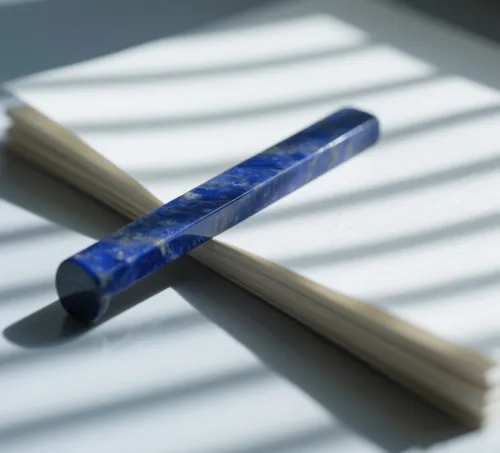
Mastering lapis lazuli care centers on three core understandings: physical vulnerability stems from its position between common household-object hardnesses rather than fragility; chemical sensitivity reflects porosity rather than weakness; visual changes develop gradually offering time for adjustment. Each wearing opportunity increases familiarity.
Moving forward, integrate one practical shift: Before putting on your ring, quickly check planned activities against your removal triggers list. Afterwards, get comfortable with a simple post-removal habit - observe the stone's surface during storage placement, feeling for texture changes or scanning for color consistency. Small consistent observations build authentic understanding far more effectively than rare intensive inspections.
Q: Should lapis lazuli be worn on a specific finger?
A: Any finger works aesthetically, but consider protection and comfort factors. Physical tasks with dominant hands typically increase risk of impacts or abrasions. Low-profile settings may feel more practical for frequent hand tasks.
Q: Why might white spots emerge on my lapis lazuli?
A: Calcite elements within the stone's structure show through polishing wear or chemical interaction at the microscopic level. While usually affecting appearance rather than integrity, this highlights care in cleaning technique selection.
Q: Can chlorine damage lapis rings?
A: Chlorinated water poses multiple concerns: Oxidation potential for pyrite flecks, chemical effects on porous surfaces, and potential metal setting reactions. Consistent immersion risks cumulative impact.
Q: How should I pronounce lapis lazuli?
A: Widely accepted pronunciation is LAP-is LAZ-oo-li in English, originating from the term's Latin roots. Consistency matters less than understanding care requirements.


$
