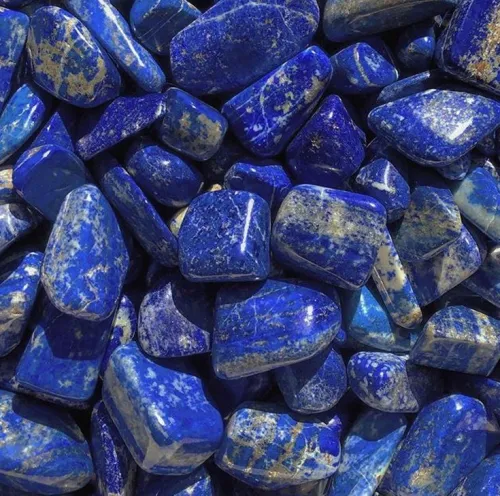
Authentic lapis lazuli consistently displays a deep blue base with naturally occurring golden pyrite specks and white calcite veins. Crucially, genuine stones resist minor scratches due to their moderate hardness and show no color transfer during water testing. Remember: A perfect vivid blue without natural mineral variations typically indicates imitation material.
Have you ever held a piece of lapis lazuli jewelry, captivated by its deep celestial blue, only to wonder whether those golden sparkles are real or manufactured? Imagine receiving a bracelet from a loved one – while touched by the gesture, you notice unusually bright blue hues that spark doubt. Or picture browsing online marketplaces where prices for similar-looking rings vary wildly, leaving you uncertain about authenticity markers. These moments reveal a common challenge: distinguishing earth-created treasure from convincing replicas. This guide will transform that uncertainty into practical observational skills, breaking down six verification pillars through geological science, visual examination techniques, and accessible home tests.
When gifted a lapis bracelet or browsing marketplace listings, many notice unusual color consistency that feels artificial yet struggle to articulate why. This uncertainty stems from seeing dyed stones that achieve "ideal" tones real geology rarely produces. Perfect uniformity often suggests human intervention rather than Earth's artistry.
Authentic lapis lazuli isn't a single mineral but a metamorphic rock blending blue lazurite, white calcite, and golden pyrite. This mineral trio creates signature characteristics: Ranging between 5 and 5.5 on the Mohs scale, genuine pieces withstand moderate pressure without damage, unlike softer resins or dyed howlite. Those distinctive gold flecks aren't flaws but pyrite crystals formed over millennia - if they appear artificial, you'll know to investigate further.
Next time you evaluate a piece, prioritize these two checks: First, examine under daylight for inconsistent blues - unnaturally vivid patches may indicate dye jobs. Second, observe pyrite distribution; authentic specimens feature randomly scattered flecks rather than manufactured symmetry. Carry one practical test: Rub with a damp white cloth; color residue suggests dyed imitations.
Craft fair visitors often ask: "Why are some lapis chunks priced suspiciously low?" They instinctively sense discrepancies between perceived value and advertised prices but feel overwhelmed in live bargaining scenarios. Similarly, history enthusiasts passionate about historical artifacts wonder whether dealers sell mineralogical facsimiles.
The value gap directly relates to geological origin. Afghan sources produce deep ultramarine with fine pyrite grains - the most prized variety. Chilean specimens tend toward greenish tones with more visible calcite, reducing market value significantly. Synthetic versions skip geological formation entirely; plastic composites feel lightweight while dyed howlite reveals white undertones when scratched discreetly on an inconspicuous edge.
When examining rough or carved pieces in market environments, focus on weight expectations. Authentic stone feels substantially heavier than comparably sized resin fakes. Rotate pieces under available light: Sunlight reveals flat color planes in dyed stones, while natural lapis shows mineral depth. For rushed decisions? Prioritize those two examinations before considering aesthetics.
A common question reveals widespread confusion: "Why call it lapis lazuli if it's a rock, not a gem?" This assumption misses how mineral interactions create the material’s signature beauty - no single component achieves that iconic blue.
The deepest blues occur when lazurite dominates the mineral ratio. Calcite (showing as white streaks) and pyrite (gold flecks) naturally occur within the matrix. Quality grades reflect these proportions: High-value pieces minimize calcite while showcasing even pyrite distribution. Crucially, being a rock explains moderate hardness (5-5.5 Mohs) - substantially softer than quartz yet noticeably harder than gypsum or talc.
When assessing pieces, remember that natural materials won't achieve synthetic perfection. Some white veining proves natural composition while uniform royal blue might indicate dye. Watch for this during online shopping: Request close-ups showing mineral distribution, not just the bluest section. Geolocation claims require documentation—authentic Afghan pieces carry specific certification.
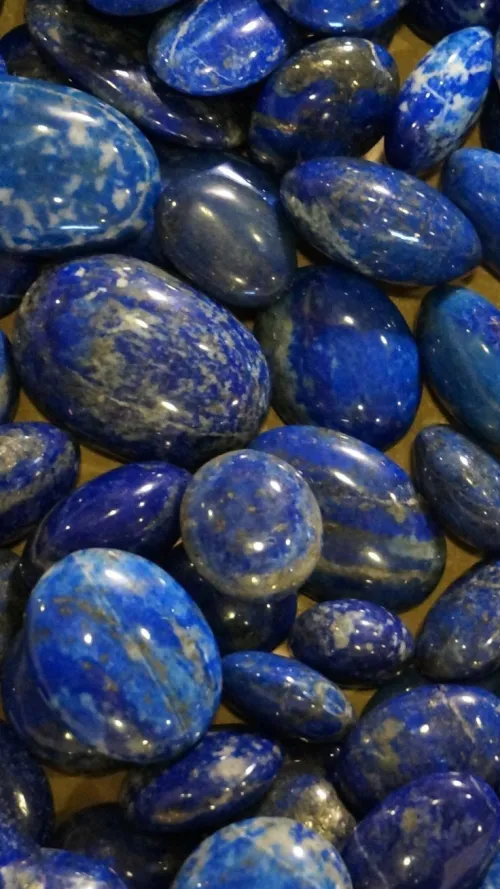
Many buyers mistake vividness for authenticity, particularly online. We've trained our eyes to equate saturated colors with quality, yet geology follows different rules. Counterintuitively, excessively vibrant blue often signals artificial enhancement rather than natural value.
Genuine lapis shows subtle color shifts when rotated in light - a deep dimensionality that flat imitations lack. Pyrite inclusions should appear naturally embedded not surface-applied, sometimes forming micro-crystalline clusters discernible under 10x magnification. Artificial counterparts often misrepresent these characteristics: Dye concentrates in cracks creating patchiness, while synthetic gold particles demonstrate unnatural uniformity.
Develop your eye with these field techniques: First, view items across light sources (daylight/non-LED) to expose inconsistent coloring. Second, examine edges; dyed stones often show concentrated pigment around carvings. Finally, seek magnification to examine pyrite placement; embedded crystals suggest natural origin whereas surface glue reflects imitation. Keep a loupe in your keychain!
We all hesitate before potentially damaging valued pieces. When inheriting jewelry or buying unsigned antiques, collectors wonder: "How can I verify authenticity without professional gear or causing harm?" This concern underscores why smart verification prioritizes observation over alteration.
Begin with low-risk moisture response tests: Dampen a cotton swab with pure acetone and rub gently on an inconspicuous area. True lapis lazuli leaves no mark, whereas dyed howlite typically leaches color. For scratch resistance confirmation, gently glide (don't press) a steel pin along the underside; authentic material withstands contact without marking while softer composites show traces. These non-destructive checks align with key characteristics: Natural structures don't transfer color and resist minor abrasions.
For purchased pendants or beads, establish a verification sequence: 1) Daylight inspection for uneven coloring 2) Weight comparison against similarly sized stones 3) Discreet acetone application test. Documenting this observational journey builds confidence without altering your piece. Keep test notes with jewelry documentation!
After confirming authenticity, owners often ask: "Why does my lapis lose luster despite proper storage?" Preservation challenges reveal intrinsic properties and differentiate authentic pieces from alternatives over time.
Sunlight and chemicals affect genuine lapis lazuli differently than synthetics. Prolonged UV exposure can fade natural pieces subtly through mineral reactions - something imitation plastics avoid but at the cost of unnatural longevity. Real lapis requires protection from acids which may react with calcite veins; perfume chemicals especially affect surface integrity. Storage protocols matter: Wrap individually in soft cloth to prevent pyrite-inflicted scratches on nearby stones.
For daily wear pieces, implement protective habits: Remove jewelry before swimming (chlorine reactions) or cleaning (acid risks). Seasonal rest periods minimize cumulative light exposure. Periodically inspect settings - authentic lapis requires secure backing less than plastics. These preservation steps become authenticity proxies; aged real lapis shows environmental interaction while untreated synthetics appear unnaturally immutable.
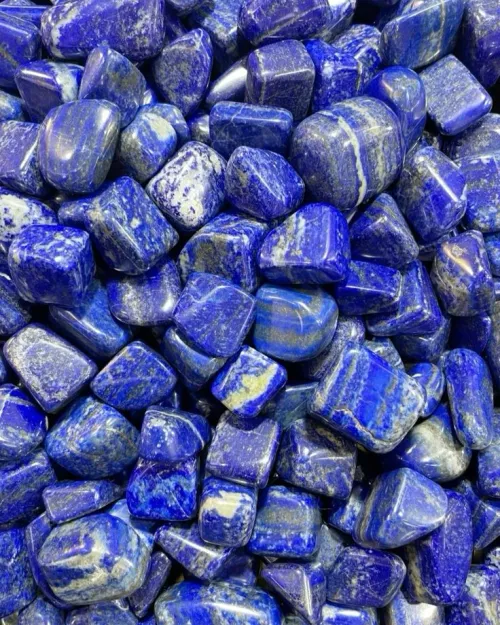
Distinguish real lapis lazuli through three consistent markers: mineral imperfections that prove natural origin, physical resilience against minor damage, and stability during moisture exposure. Remember especially that pyrite flecks should appear randomly scattered rather than orderly, while white calcite veins form organic patterns unlike painted streaks.
Apply this knowledge incrementally: At your next market encounter, focus solely on weight and pyrite distribution before exploring aesthetics. Carry a folded white handkerchief for simple moisture reaction tests in moments of doubt. Your eye for authenticity develops gradually - each careful observation builds mineralogical literacy. Confidence comes not from one perfect identification but from systematically noticing these markers across encounters.
Q: What materials commonly imitate lapis lazuli?
Dyed howlite accounts for many imitations, showing similar veining but lacking pyrite and revealing white beneath surface scratches. Other copies include dyed jasper or composite resins, which tend toward unnatural blues and may leach color during acetone tests. Synthetic spinel offers consistent coloring without natural mineral variations.
Q: Can lapis lazuli lose its color permanently?
While authentic pieces typically maintain color integrity, prolonged direct sunlight can cause surface fading over years, particularly affecting higher-calcite specimens. Chemical exposure including acids or perfume ingredients may alter surfaces. Preserve depth by minimizing UV exposure and avoiding contact with common acidic substances.
Q: What gives lapis lazuli its historical significance?
Mined for millennia, its enduring value stems from geological rarity and pigment production capabilities. Ground genuine lapis created ultramarine blue ink for medieval manuscripts - a use modern synthetics have replaced, yet the mineral retains archaeological significance. Afghan deposits particularly maintained importance for artists until synthetic options emerged in the 19th century.


$
