The primary chakra associated with Lapis Lazuli is the Third Eye Chakra (Ajna), with secondary benefits for the Throat Chakra (Vishuddha). This deep blue stone may support intuitive clarity, enhanced insight, and authentic communication when properly integrated into mindfulness practices. If you remember one thing about Lapis Lazuli, it's that its visual authenticity cues – like golden pyrite flecks – significantly influence how effectively it can work with these energy centers.
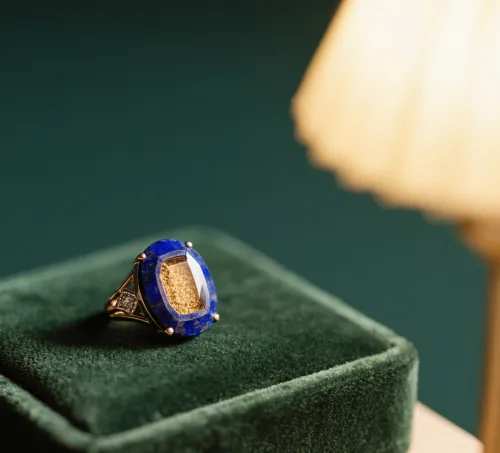
When that carefully chosen Lapis Lazuli bracelet arrives looking washed out compared to its vibrant online photos, or when you struggle to distinguish real from fake stones at a crystal fair, you're experiencing the exact confusion this guide addresses. Newcomers often feel overwhelmed by its complex name pronunciation and chakra associations, while seasoned practitioners notice subtle differences in meditation outcomes with various specimens. These everyday challenges highlight why smart crystal usage requires practical verification skills. This article will unpack what makes Lapis Lazuli unique through observable physical properties, demonstrate how to spot quality indicators, and teach actionable verification techniques so you can confidently navigate chakra work with this ancient stone.
When using Lapis Lazuli during meditation, you might notice a unique focusing effect different from other stones – an effect traditionally linked to Third Eye Chakra activation. This association stems from the stone's reputation in ancient practices for enhancing intuition and mental clarity, creating expectations about immediate spiritual insights. The disparity between online images showing intense azure stones and the paler versions often received reflects why users question whether their specific piece carries this reputed energy potential.
Technically speaking, Lapis Lazuli is predominantly composed of lazurite minerals which give it that characteristic celestial blue color that resonates with Third Eye Chakra associations. Authenticity matters: specimens with natural pyrite flecks tend to maintain consistent mineral composition, potentially supporting this connection. This rock forms through metamorphic processes over centuries, with Afghanistan producing historically significant high-quality deposits featuring the deep blues associated with optimal Third Eye resonance.
Next time you evaluate a piece for chakra work, start by examining its color quality under natural light. Vibrant blues with visible pyrite flecks may indicate geological integrity – a simple baseline before considering energetic properties. Authentic stones typically display uneven mineral distribution; artificially uniform patterns can indicate synthetic alternatives with compromised resonance. This fundamental check takes seconds but builds your confidence in any subsequent chakra practice.
Consider the experience of comparing authentic and imitation stones at a gem fair – the fake pieces often appear unnaturally uniform, lacking the signature golden pyrite inclusions. This visual simplicity might seem desirable but actually indicates compromised mineral complexity. Historically, practitioners believed the stone's effectiveness derives from this intricate combination of lazurite, calcite, and pyrite working synergistically.
The clearer perspective sees Lapis Lazuli's moderate 5-5.5 Mohs hardness as enabling practical daily use while retaining structural integrity. It is porous and may degrade with prolonged water exposure – a critical factor when choosing methods to cleanse its energy that don't damage the stone itself. Real specimens can undergo color variations when exposed to chemicals or intense light. Authentic pieces show characteristic geological "imperfections": golden pyrite flecks may oxidize over time to darker shades, creating a dynamic surface that reflects its natural origins.
Before assuming energetic properties, test weight density against similar-sized stones. Genuine Lapis typically feels denser than dyed howlite or glass substitutes. Similarly, true specimens generally remain opaque when held against light – unexpected translucence might indicate sodalite substitutes lacking Lazuli's Third Eye resonance. Building this assessment habit helps you differentiate spiritual potential from superficial resemblance.

After beginning meditations with Lapis Lazuli, practitioners often observe subtle changes in focus compared to other stones – perhaps noticing patterns in breathing or mental imagery. These perceptual shifts form the foundation for assessing the stone's interaction with your energy system.
Surface luster quality can suggest whether the stone maintains its structural integrity necessary for sustained energy work. Maintain its reflective quality by periodically rubbing with a microfiber cloth, observing whether light dances consistently across pyrite flecks. When evaluating texture, gently run a finger over the surface; unexpected roughness may indicate poor polishing or wear that can disperse energy focus. Pay attention to color consistency under different lighting – genuine pieces show depth rather than flat, synthetic blue.
Track your observations in a dedicated journal: note the stone's appearance condition before each session and document shifts in mental clarity or communication ease afterward. Over several weeks, look for patterns: days with vibrant stone appearance might coincide with heightened intuition. This creates personalized feedback beyond generalized expectations.
As an online shopper disappointed by arrival-quality gaps, your selection process might need refinements beyond attractive product photos. Practical application begins with mindful acquisition: prioritize specimens showing deep blue hues with natural pyrite patterning visible in multiple angles – not just optimized studio shots.
Proper maintenance avoids depletion of its energetic properties. Store in separate padded compartments away from harder crystals like quartz which can microscopically scratch its surface over time. Never wear during water-based activities like swimming since prolonged moisture exposure may gradually degrade its mineral matrix. Use only dry, soft polishing cloths rather than liquid cleaners which can penetrate its porous structure. Rotate which crystal pieces receive primary use to allow natural energetic "recovery" and observe any performance differences.
During meditation placement, position directly on the forehead (Third Eye) or throat region while remaining mindful of its physical vulnerabilities. Compare experiences using stones from different sources – Afghan versus Chilean varieties show distinct mineral distributions that may subtly influence energy dynamics. After each session, quickly check for surface changes recording these observations alongside your subjective experience.
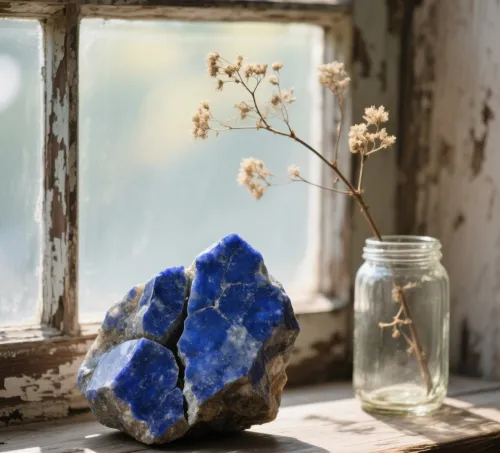
The name "Lapis Lazuli" itself often puzzles newcomers, leading to pronunciation research that reveals its Persian origins meaning "blue stone" – hinting at centuries-spanning significance beyond contemporary chakra systems.
While Third Eye association dominates, historically documented throat-related usage suggests potential resonance with authentic self-expression. The stone's composition offers clues: calcite veins may influence its relationship with clarity, while pyrite could introduce an activation quality. Scientifically, no reputable studies confirm chakra impacts – however, practitioners consistently identify patterns suggesting genuine interaction potentials when quality standards are met.
When choosing complementary stones, prioritize mineral compatibility: avoid combining with chemically reactive materials during simultaneous use. Understand alternative identification techniques: unlike similar-looking sodalite, authentic Lapis contains pyrite flecks and appears darker under light. Remember that thermal or chemical damage can alter color permanently – a practical concern beyond spiritual considerations. If exploring pronunciation etymology ("LAP-is LAZ-uh-lee"), contextualize it within Persian → Latin → European linguistic evolution to deepen appreciation of cultural significance.
Let's consolidate what matters most: Pyrite inclusions signal geological authenticity that supports Third Eye resonance; mindful handling preserves structural integrity necessary for consistent experiences; personal observation builds evidence-based understanding beyond mystical claims. Next time you evaluate a potential purchase, pause to check two fundamental details first: test opacity against bright light and verify visual pyrite patterns at 3x magnification. Genuine progress comes through building judgment skills incrementally – perhaps keeping a dedicated journal to track observations before/after sessions will help solidify that "aha" moment of connection between physical characteristics and experiential outcomes.
Q: Can Lapis Lazuli support other chakras beyond the Third Eye?
A: While the Third Eye connection remains primary, its Throat Chakra associations relate to historical usage patterns. Some users report enhanced communication clarity, possibly influenced by symbolic color associations. Practical testing with placement variations offers clearer personalized insight than generalized claims.
Q: How to differentiate Lapis Lazuli from similar stones like sodalite?
A: Prioritize visibility of golden pyrite flecks and test opacity; genuine Lapis typically appears darker and more opaque than sodalite when held against light. Also note sodalite lacks gold speckling and shows visible white calcite patterns.
Q: Why might Lapis Lazuli color change over time?
A: Prolonged light exposure, chemical contact or pyrite oxidation may cause fading or darkening. Authentic stones tend to change gradually rather than abruptly. Protecting stones from humidity and sunlight minimizes this while maintaining visual integrity.
Q: Where is premium Lapis Lazuli naturally sourced?
A: Afghan deposits remain historically significant, though Chilean and Russian sources yield distinct mineral patterns. Each region produces variations in blue intensity and pyrite distribution, which may influence individual resonance during mindful practices.


$
