The straightforward answer is no – avoid cleansing lapis lazuli in water entirely. This soft, porous gemstone absorbs moisture that can weaken its structure, cause color fading, or trigger damaging oxidation in its pyrite inclusions. Instead, always prioritize dry cleaning methods like gentle dusting with a microfiber cloth to maintain its integrity.
Have you ever hesitated while holding lapis lazuli near water, recalling contradictory advice about crystal care? Many face similar dilemmas: perhaps your lapis jewelry developed a cloudy film after bathing, or inherited pieces have you wondering about proper preservation methods. With scattered information online – from misguided social media hacks to oversimplified "one-size-fits-all" cleansing guides – it's easy to feel uncertain. This guide will systematically break down the mineral science behind lapis lazuli's vulnerabilities, show you visible damage indicators, and validate safe alternatives so you can protect your pieces with evidence-based confidence.
You might encounter claims that brief water exposure is harmless, especially when cleaning newly acquired pieces. This idea often originates from general gemstone care advice where harder stones like quartz tolerate water, but lapis requires specific handling. What we should focus on instead: water contact is universally discouraged by mineral conservation specialists.
Technically, lapis lazuli ranks 5-6 on the Mohs hardness scale – softer than everyday materials like steel or glass. More critically, its porous structure enables moisture absorption into microscopic cavities within the stone matrix. In museum conservation protocols, lapis artifacts undergo only solvent-free dry cleaning to prevent cumulative damage. The presence of calcite veins (water-soluble mineral) and reactive pyrite further heightens vulnerability.
When considering cleansing, look beyond product labels. Instead, remember two key indicators: any visible white calcite streaks signal heightened sensitivity, and a Mohs rating below 6 suggests water avoidance. Before trying new methods, gently test a small hidden area over 48 hours to observe reactions.
"My pendant got splashed just once – why is it suddenly grainy?" Many underestimate daily risks like handwashing or high humidity. Real-world damage manifests gradually from repeated micro-exposures we dismiss as insignificant.
Four scenarios illuminate this: 1) Saltwater accelerates corrosion through chemical reactions 2) Humidity causes moisture retention in porous matrix 3) Shampoos/skin products introduce reactive chemicals 4) Rapid drying after spills creates internal stress fractures. Historical analysis of ancient lapis artifacts confirms erosion patterns where calcite dissolved preferentially, leaving weakened blue layers.
Practice mindful observation: after unintended water contact, weigh the piece hourly on a precision scale to detect moisture retention – a temporary weight increase signals porosity absorbing liquid. Also note pyrite flecks under magnification; rust-colored edges indicate oxidation onset requiring immediate drying protocols.
Why does water cause such disruption? We need to examine lapis lazuli as a composite material rather than a homogeneous stone. Three reactive components create vulnerabilities:
Unlike single-crystal minerals, lapis lazuli's beauty comes from its complex mix – mainly lazurite blended with calcite and pyrite inclusions. Calcite forms white streaks while pyrite creates golden flecks. When water penetrates, calcite starts dissolving at a microscopic level, altering surface texture. Simultaneously, pyrite undergoes oxidation reactions, producing iron oxides we perceive as rust.
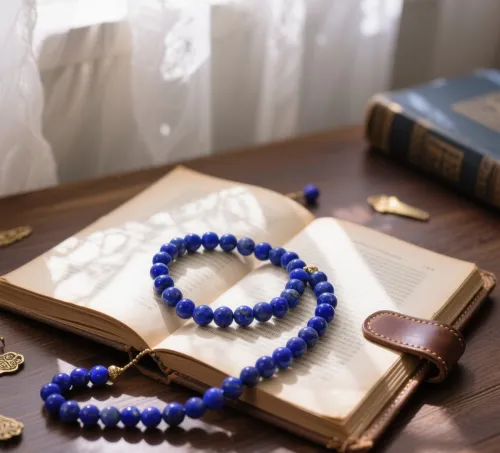
To assess your piece's vulnerability: examine specks under 10x magnification. Authentic lapis lazuli shows irregular calcite patterns and random pyrite distribution. Dyed versions often bleed pigments when damp which indicates compromised material - verify via the "color bleed test" by gently rubbing with a damp cotton swab on an inconspicuous spot and checking for pigment transfer.
You might misinterpret subtle changes as normal fading or minor residue. But these visual clues suggest prior water damage requiring intervention:
• Pyrite oxidation shows as gold flecks developing reddish edges • Surface texture shifts from polished to grainy within specific spots • Cloudy white haze appearing along calcite veins • Unexpected pigments transferring to polishing cloths
The rate of change matters – specimens from Chilean sources with higher calcite concentration degrade faster than Afghan lapis with denser lazurite. Next time you handle any textured gem, run a quick visual protocol starting with: examine under bright light at multiple angles, note any localized texture shifts, then gently probe pyrite areas for softness.
Faced with recommendations from sage smudging to salt bowls, focus instead on methods museum conservators approve:
• Gentle dusting: Use untreated microfiber cloths following mineral grain patterns • Compressed air: Hold 6+ inches away to dislodge debris without pressure • Targeted cleaning: Alcohol-dipped cotton swabs applied selectively to sticky spots only • Professional sonic cleaning: Recommended only for premium untreated Afghan specimens under expert supervision
For heirloom pieces needing restoration, follow conservators' tiered approach: start with air blasts, progress to soft brush agitation, then utilize dry-cleaning putty if heavily soiled. Always verify specimen origin first – Chilean lapis crumbles under ultrasonic methods that Afghan stones withstand due to denser mineral formation. Remember the texture check: when polishing, move radially from center outward using minimal pressure.
Beyond cleaning, environmental maintenance significantly protects lapis integrity:
• Humidity control: Silica gel packets in storage containers • Contact minimization: Remove jewelry before handwashing or applying cosmetics • Scratching prevention: Store away from harder gemstones like diamonds or sapphires • UV protection: Shield from prolonged sunlight to prevent color bleaching
When evaluating a lapis piece's durability, remember geographic origin: Afghan material generally offers superior longevity over Chilean variants due to mineral density differences. For collectors, assessing pyrite coverage (ideally 10-20% distribution) indicates both aesthetics and structural stability. As a practical exercise before acquiring new pieces: carry a loupe to inspect stone pores at 10x and bring untreated cotton for a discrete dry-wipe test to check for unexpected color transfers.
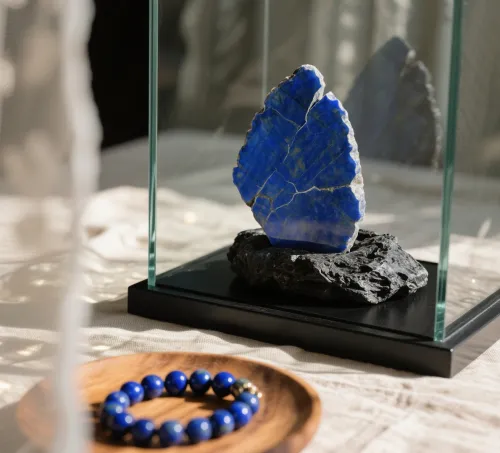
While detailed instructions help, lasting competence comes from remembering three priority principles: First, treat all water exposure as potentially impactful due to porosity and mineral reactivity - moisture absorption may occur without immediate visibility. Second, focus observations on pyrite flecks; golden specks developing rust-like deposits indicate oxidative processes. Third, when maintaining personal pieces, always reach for dry tools before considering liquids.
A realistic starting task: During your next jewelry cleaning session, dedicate 15 seconds to inspect lapis pieces under bright light. Notice any texture changes? Pay special attention to pyrite flecks. Those minor observations build pattern recognition over time - knowledge compounding across multiple interactions rather than single transformative moments. This incremental approach yields sustainable confidence in material maintenance choices.
What if my lapis gets wet accidentally?
Immediately blot excess moisture with absorbent cloths and allow 48-hour air-drying away from sunlight. Observe for texture changes or pyrite discoloration over several days which can indicate internal moisture retention.
Does saltwater cause different damage than freshwater?
Yes - sodium chloride accelerates pyrite oxidation and may crystallize in pores during evaporation, potentially causing pressure fractures. Post-exposure rinse with distilled water minimizes long-term effects.
Why do some lapis stones tolerate cleaning better than others?
Geographic origin significantly impacts mineral concentration. Afghan specimens contain more robust lazurite while Chilean versions have higher calcite proportions, increasing dissolution risk.
Can I test lapis durability at home safely?
Gently run a stainless steel pin (Mohs 5.5) along an inconspicuous edge. Authentic lapis should show slight scratch marks without material flaking - indicating relative softness without compromise to integrity.


$
