Lapis lazuli is a naturally occurring metamorphic rock, formed over millions of years through geological processes. Genuine lapis consists primarily of lazurite, calcite, and pyrite – not human manufacturing. While synthetic imitations exist, authentic lapis is valued for its distinctive deep blue color with natural gold flecks.
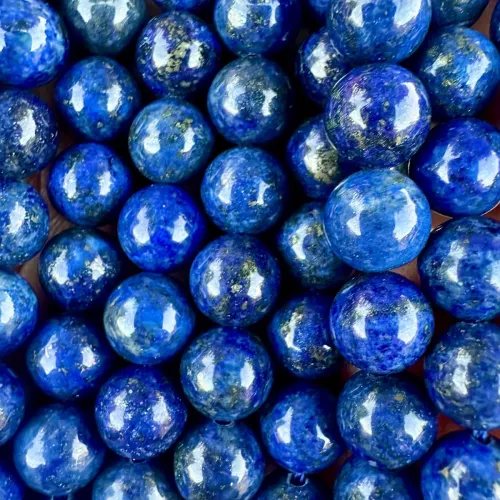
You've likely encountered confusing claims about lapis lazuli while browsing jewelry online or examining museum pieces. That pricey "100% natural" listing seems suspiciously affordable, or the stone in your hand looks disappointingly different from glowing product photos. When ancient artifacts showcase astonishingly vibrant blues, it's natural to wonder: "Could humans create this?" These experiences spark valid questions about authenticity in a market flooded with convincing imitations. This guide walks through key points step-by-step, separating geological reality from marketplace myths. By the end, you'll confidently verify lapis origin using observable features.
Imagine admiring an Egyptian scarab or Renaissance painting with lapis-derived ultramarine pigment. That intense, sky-like blue seems impossibly pure for a natural material. Historically, people assumed such perfection required human enhancement. This perception persists today when encountering strikingly uniform jewelry. The underlying question is valid: Geological processes can appear too "imprecise" compared to controlled manufacturing environments where colors and patterns are standardized.
In reality, lapis forms through metamorphic transformation – limestone undergoes extreme heat and pressure over millennia, recrystallizing with lazurite (sulfur-rich blue mineral), calcite (white streaks), and pyrite (gold specks). These minerals bond unpredictably, creating unique patterns impossible to mass-replicate. Authentic pieces typically show irregular color distribution – think cloudy skies rather than printer ink.
Observation exercise: Visit a geological museum or gemologist's collection. Notice how natural lapis displays imperfect gradients – deeper blues in one area, lighter patches elsewhere. Synthetic versions like dyed howlite often have unnaturally uniform coloring.
A frequent misconception suggests lapis can be rapidly lab-created like cubic zirconia. Some shoppers expect consistency between similar-looking stones, unaware that natural materials vary across mining sources like Afghanistan or Chile.
Authentic lapis requires three geological phases: First, marine limestone deposits form. Then, magma intrusions generate heat/pressure transforming stone composition. Finally, mineral-rich fluids permeate cracks over centuries, depositing lazurite and pyrite. The entire process takes 6-18 million years. Unlike man-made glass imitations, natural lapis develops microscopic fractures and non-uniform pyrite flecks – inconsistent formations indicating organic origins.
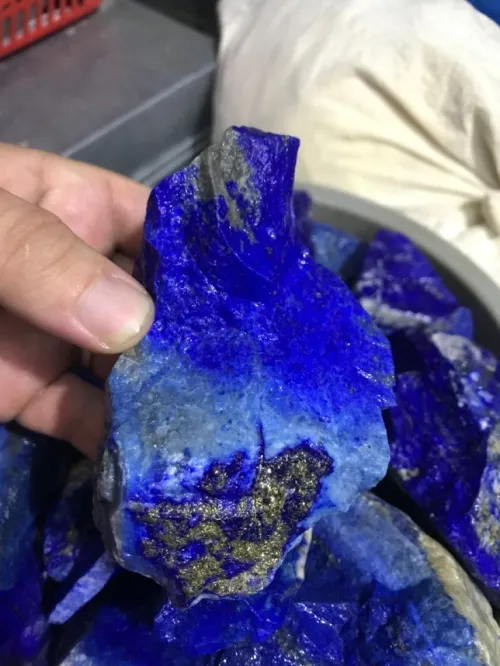
Practical test: Compare two stones side-by-side. Genuine lapis typically shows at least two of these traits: waxy (not glossy) luster, temperature-changing texture when touched, visible calcite veins at certain angles, or gold flecks clustered unevenly. Absence of these could indicate resin composites.
Purchasing frustration often arises when product photos appear intensely blue, but received items look washed out. Many assume the stone was artificially enhanced, though genuine lapis naturally ranges from medium cornflower to deep royal blue. Color perception shifts under different lighting – man-made replicas use dyes that remain artificially consistent.
Authentic material exhibits three visual signatures: First, pyrite flecks appear randomly scattered instead of machine-precise placements. Second, slight surface pitting or "orange peel" texture is common from natural crystallization. Third, calcite veining appears as white wisps in less-saturated zones when tilted toward light.
Verification workflow: Use a 10x loupe for these field checks: 1) Scan edges for concentrated dye indicators (blue residue near fractures). 2) Press a hot pin discreetly against backing – unnatural materials may release plastic odors. 3) Weigh the item; resin knock-offs feel unexpectedly light.
A common myth assumes all blue stones have diamond-like durability. Users unknowningly expose lapis jewelry to scratches or chemicals, then question material legitimacy when damage occurs. All materials require context-aware care.
Natural lapis has moderate 5-6 Mohs hardness – softer than quartz or glass. Historical use as carvings/pigments confirms practicality when handled properly. Key vulnerabilities include hydrochloric acid exposure (in cleaners or pools) and abrasive impacts since pyrite flecks occasionally dislodge.
Sustainable decisions: 1) Store pieces separately to avoid surface scratches. 2) Choose pendants/earrings over rings for high-impact activities. 3) Use soft cloths instead of ultrasonic cleaners. 4) For questionable items, apply acetone to cotton swab; rub discreetly – color transfer indicates dye treatments.
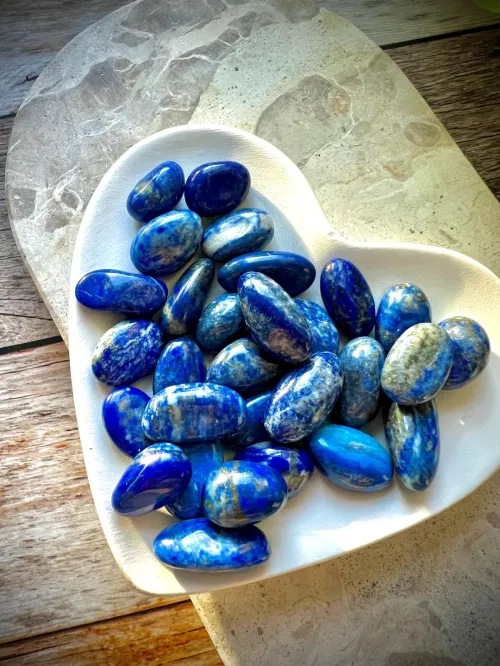
Price variations between Afghan and Chilean lapis fuel misconceptions regarding "purity." Many conflate origin with authenticity, unaware that synthetic versions exist across markets. Ethical concerns emerge around mining practices, complicating trust decisions.
Legitimate lapis value depends on three benchmarks: Depth-of-blue (less whitening), pyrite prominence, and treatment transparency. Natural stones contain inclusions – minor fractures or uneven coloring aren’t flaws but authenticity indicators. Treated stones are acceptable if disclosed, like stabilized resin-fills for structural integrity.
Trust checklist: Ask sellers these questions: 1) Is material un-dyed/reconstituted? 2) Where was it mined? 3) Have treatments like waxing been applied? Reputable dealers disclose this information.
With this understanding, recall that natural lapis shows minor inconsistencies while synthetic versions appear predictably uniform. Start your own verification next time by 1) Observing color distribution under natural light 2) Using basic tools like a loupe for pyrite pattern checks 3) Asking questions about treatments. Genuine understanding builds gradually – each observation makes you more discerning than the last. Remember: Nature’s artistry lies in its irregularities.
Q: How do you pronounce "lapis lazuli"?
A: It's pronounced "LAP-iss LAZ-oo-lee."
Q: Why does some lapis fade over time?
A: Extended direct sunlight exposure may gradually lighten surface coloration. Storage away from windows helps preserve hues.
Q: Can genuine lapis have minimal pyrite flecks?
A: Yes, specimens vary from heavily speckled to minimal golden spots while remaining authentic.
Q: Are natural lapis prices justified?
A: Value reflects quality grading – deep, consistent blue with attractive pyrite patterns generally commands higher prices. Origin impacts rarity and cost.


$
