Lapis lazuli can be used during meditation by holding it, placed on specific body areas like the forehead or throat, worn as jewelry, or carried as a pocket stone for continuous support. Its distinctive blue hues and historical context may contribute to mental calmness and clarity, always alongside established wellness routines rather than replacing them – making methodical application the key takeaway to remember.
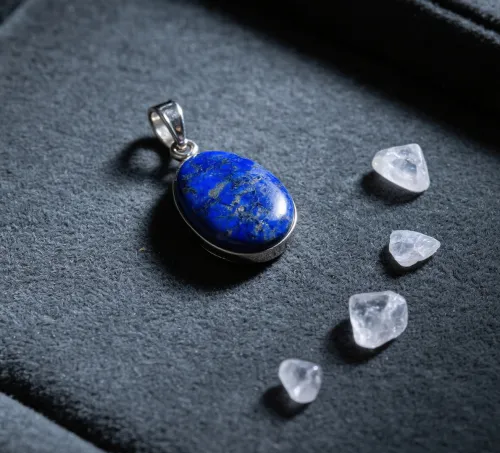
You've probably encountered conflicting advice about using lapis lazuli – maybe while holding a newly purchased stone uncertain where to place it for relaxation, or noticing color shifts in a friend's bracelet that sparked doubts about authenticity. These situations reveal three common challenges: confusion about placement techniques, uncertainty around evaluating quality, and skepticism about practical benefits. This guide addresses both the enthusiasm and doubts you might have by breaking down factual mineral characteristics from historical claims, explaining observable physical properties through tangible experiments, and demonstrating realistic integration methods. By focusing on verifiable geological traits alongside contemporary practices, we’ll build your confidence to independently assess lapis functionality without relying on unverifiable metaphysical claims.
When first encountering a lapis palm stone, a common hesitation involves uncertainty about effective placement for different intentions - specifically where and how long to position the stone during meditation or restorative moments. This challenge arises frequently because many resources suggest vague energetic concepts rather than tangible positioning fundamentals. The clearer perspective involves distinguishing surface contact techniques: targeted placement at key body coordinates differs significantly from handheld meditation or passive environmental positioning in both intention and duration.
Material science clarifies that lapis lazuli constitutes blue lazurite, white calcite, and golden pyrite flecks which collectively influence how it may interact with light and temperature. When placed against skin, its hardness (5-5.5 Mohs scale) creates distinct pressure points while moderate thermal retention properties may explain persistent coolness during holding exercises. Crucially, placement effectiveness doesn't stem from assumed frequencies but from consistency of tactile engagement - what you physically experience matters more than abstract theories.
To evaluate application success, rotate the stone under direct light before sessions: pyrite sparkle may intensify reflections during meditation when the stone warms to body temperature. Combine this with practical positioning choices: selecting stones with visible speckles for desktop placement during work stress, or testing rolling smoothness if using it as a focus anchor during difficult conversations. Notice whether the stone stays comfortably cool during mindful holding - inconsistent temperature patterns can indicate varied lazurite concentrations affecting thermal conductivity.
Noticing how a lapis bracelet dramatically shifts between daylight and artificial lighting often triggers authenticity concerns, especially when color variations appear inconsistent. This visual skepticism stems from marketing representations showing uniform blue specimens while natural specimens display matrix-driven differences.
In reality, the mineralogy explains these variations: royal blue to greenish-blue transitions typically reflect differing calcite proportions within each stone's unique matrix structure. Pyrite distribution varies naturally from clustered constellations to evenly scattered flecks. These inconsistencies become assets rather than flaws when understood - distinctive veining creates personalized tactile landscapes for meditation and reflects millennia-old carving traditions valuing uniqueness.
Develop your diagnostic technique by rotating specimens under morning light versus indoors: prominent calcite veins tend to brighten while blue saturation appears deeper under warmer bulbs. For jewelry selection, observe pyrite distribution clarity across all stones in the piece - uneven sparkle patterns may indicate natural variations rather than quality differences. Remember: next time you notice inconsistencies, reference this test instead of expecting factory-level uniformity from geological formations.
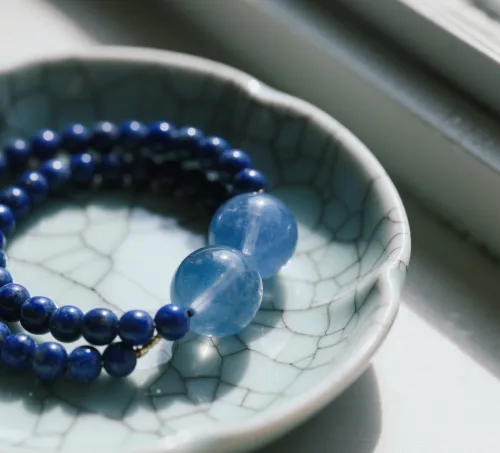
After receiving great grandmother's heirloom pendant, you might feel unexpected coolness against your skin during emotional moments - creating questions about physical sensations potentially signifying effectiveness. People typically interpret this physically unexpected quality through mystical explanations rather than testing empirical properties.
Thermal behavior originates from practical sources: density and mineral concentration influence heat retention capacities not supernatural forces. Surface bloom formation results from natural reactions to oils instead of "energy depletion" claims. Even weight distribution patterns simply reflect manufacturing precision.
Test this yourself: note duration the stone remains cool in your palm as an indicator of composition (longer cooling times tend to correlate with higher lazurite content). After wearing jewelry, check for whitish residue as an indicator for required microfiber buffing rather than "cleansing rituals". Pay special attention to tumble stone rolling smoothness - an underrated indicator of processing quality affecting daily handling comfort.
Matching lapis use to contemporary routines presents challenges when inheriting pieces from different cultural contexts where wearing heavy pendants or complex positioning protocols existed. Modern practitioners need streamlined protocols fitting diverse lifestyles.
Practical adaptation involves leveraging material science: protective backing prevents skin-oil residues on pendants while fabric pouches preserve surface integrity during storage. Daily cleansing focuses on physical maintenance not vibrational recalibration - dry microfiber clearing avoids chemical degradation. Even positioning choices have geological rationale: pyrite reflections provide visual anchors for focus during stressful work intervals.
When selecting stones, prioritize Chilean sources when Afghan material exceeds budget - similarly colored specimens with comparable properties exist at accessible points. For meditative use, focus on stones where sparkle creates visible anchor effects in your peripheral vision during sessions. Position palm stones on computer monitor bases where their presence serves as tangible grounding reminders during challenging work hours.
Online forums frequently buzz with debates about whether lapis "loses energy" or requires special reactivation - misunderstandings usually stemming from misapplied concepts from other crystal traditions. The core confusion involves distinguishing physical maintenance needs from theoretical energetic models.
Material realities provide clearer parameters: heat exposure can cause observable color fading while acid sensitivity mandates non-chemical cleaning. Historical context reveals Mediterranean artisans prioritized carving practical objects not "energy channeling", suggesting functionality arises from intentional application not inherent magic. Value perception primarily connects to visible pyrite distribution.
Implement three verification strategies: test suspect stones with acetone swabs when unnatural color penetration appears questionable; avoid salt-cleaning approaches due to proven material vulnerability; examine mounting systems ensuring bezel settings protect lapis edges against impacts. These tangible verification points create more reliable decision tools than abstract metaphysical grading systems could provide.
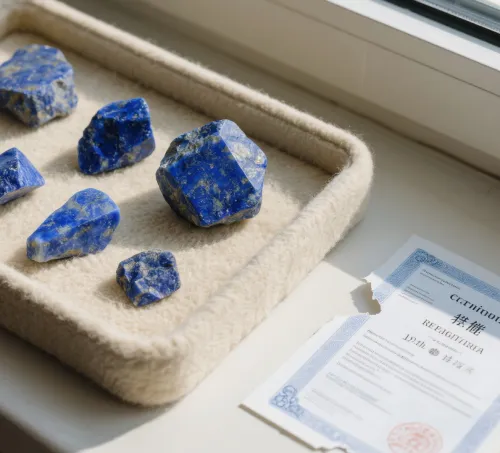
Successfully utilizing lapis lazuli fundamentally relies on material awareness, consistency, and realistic expectations. Remember these core principles: application effectiveness connects to physical presence rather than assumed frequencies; observable changes in appearance often reflect environmental interaction rather than internal shifts; and preservation requires practical precautions.
Begin integrating insights immediately with this small action: When preparing for stressful situations, carry a stone testing how tactile surface qualities provide tangible focal points during challenging moments. Gradually combine placement options – perhaps starting with desktop observation during brief pauses then exploring targeted placements during evening wind-downs. Your proficiency develops not through esoteric expertise but by consistently noticing how visual properties and physical sensations interact with personal routines in observable ways.
Q: What distinguishes lapis lazuli from similar blue stones?
A: Natural lapis consists of three minerals: dominant lazurite (blue), calcite (white veins), pyrite (gold flecks). Stones lacking this visual mixture or showing unnaturally consistent coloration may indicate substitutions.
Q: Can lapis tolerate common salt cleansing methods?
A: Due to moderate hardness and material sensitivities, dry microfibre cleaning tends to preserve luster longer than salt/water immersion which may cause surface bloom formation over time.
Q: What’s the most practical way to carry lapis continuously?
A: Secure bezel-set jewelry provides durable protection during daily movement, while palm-sized stones placed in fabric pockets remain accessible without surface abrasions from harder objects.
Q: Why does stone quality seem inconsistent between sellers?
A: Variability stems from natural geological formation - Afghan material historically features intense blues but Chilean alternatives offer similar properties at different price points. Pyrite distribution differences reflect regional sourcing rather than quality ratings.


$
