Lapis Lazuli prices range from $1 to $50 per gram depending on quality factors like color saturation and origin, with most stones falling in the $5-$20 range. High-grade specimens from Afghanistan or antique carvings can exceed $100 per gram. Remember that visible calcite veins or uneven coloring typically reduce value.
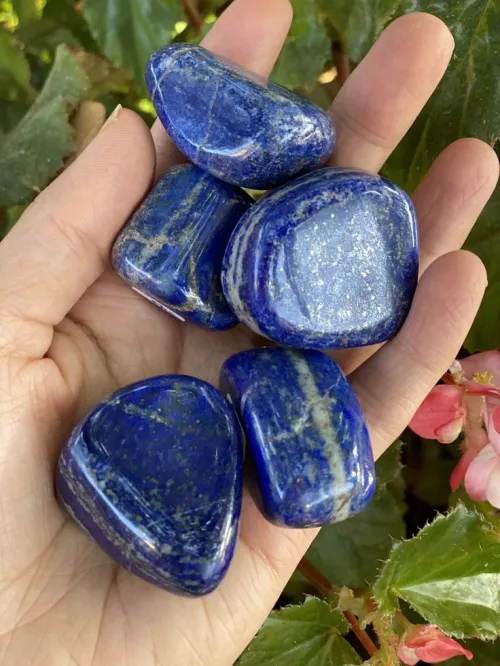
You feel bewildered when excitedly unpacking your new Lapis Lazuli necklace only to discover its pale, uneven appearance contradicts the vibrant online photos. Or you pause at a craft market, holding a blue bead priced at $10 per piece while wondering if this payment reflects true value. Such experiences with mysterious price disparities create frustration because inconsistent information exists about what genuine Lapis truly costs. This guide walks through six structured steps to decode value determinants like natural color variations and authentication methods, replacing confusion with tangible observation skills.
Many encounter confusion when discovering a $50 per gram piece beside a $5 counterpart, prompting assumptions about seller markup or fraud. People instinctively seek consistent pricing benchmarks but become uncertain when seeing extreme variations without knowing underlying reasons for these ranges.
The clearer way to see it is: Lapis forms through limestone metamorphism with value determined by lazurite concentration (25–40% in premium grades). While market prices span $1–$5 for low-grade rough stones and $10–$20 for polished cabochons, Afghan sources and antiques command premiums due to historically superior royal blue hues and cultural significance. Variations reflect geological conditions, extraction costs, and craftsmanship investments rather than arbitrary pricing.
When comparing options, prioritize two verifiable checks: first, examine color distribution under natural lighting – richer blues suggest higher lazurite content. Second, inquire about documented origin information since non-Afghan sources typically warrant more cautious valuation. This prevents overpaying for falsely marketed material.
Frequent online shoppers accept generic descriptions like "deep blue gemstone" while overlooking critical quality indicators like calcite vein patterns. Buyers often mistake all golden flecks as desirable when evaluating listings, neglecting their proportion's impact on actual mineral content.
In reality, primary valuation follows this hierarchy: intense blue saturation (minimal veining) accounts for 50% of value, followed by geographic origin (30%), pyrite distribution uniformity (10%), structural integrity (5%), and size proportionality (5%). Afghanistan produces historically renowned Lapis because its deposits contain less calcite and yield richer pigments. Technical aspects like Mohs hardness rating (5-6) also inform durability-based pricing.
Next time you analyze potential purchases, apply these prioritized examinations: First, position stones against white paper to detect light-colored veins suggesting weaker mineral composition. Second, use a jeweler's loupe to note pyrite fleck patterns – random golden specks may add charm if under 5% surface coverage but degrade value in dense clusters. Each intentional observation builds assessment confidence.
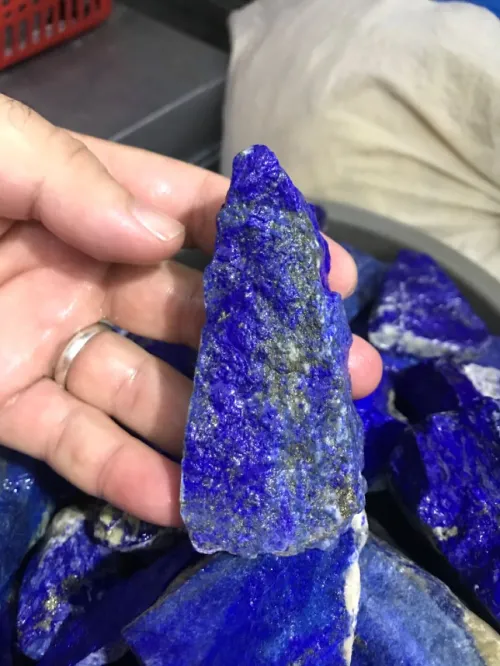
A gift recipient becomes skeptical upon noticing artificial-looking vibrancy under lamps but fears appearing rude by questioning authenticity. Concerns surface whether jewelry stores permit basic tests confirming natural properties versus synthetic alternatives.
Technically speaking, simple inspections reveal more than most realize. Authentic material shows subdued luster under flashlight beams compared to unnaturally bright imitations. Also, gently rubbing a moist cotton bud on stone edges may expose dye treatments through temporary blotches - a harmless test authorized at reputable dealers.
Start building familiarity through touch-weight comparisons: natural Lapis feels appropriately dense whereas excessive heaviness relative to size may indicate low-value inclusions. Also, rotate pieces near windows to detect color inconsistencies signaling treatments. You're not seeking perfection but consistent patterns that reveal natural formation. Remember that experienced collectors also started with these elementary observations.
Collectors often fixate on large display pieces while underestimating practicality challenges like frequent impact damage. Others dismiss documentation needs for "affordable" acquisitions below $100 despite later resale considerations.
A balanced approach considers that smaller, well-protected items under two carats generally last longer during daily wear than oversized art pieces. Seek laboratory authentication when investing over $50 per gram - certificates track marketable attributes like proven mineral percentages. Storage affects preservation: indirect natural light maintains vibrancy whereas humid conditions gradually fade untreated Lapis.
Implement these judgment refinements today: First, compare seller pricing using standardized units (carats/grams) avoiding irregular sizing traps. Second, protect softer facets by selecting bezel settings for rings or bracelets. Last, reserve substantial investments for vendors providing verifiable sourcing information. Progress comes through incremental learning applications rather than instant mastery.
Many people believe ancient or "vintage" labels automatically guarantee value inflation, overlooking condition checks. Others encounter contradictory theories about cleaning methods or pronunciation complexities ("LAY-pis LAZ-oo-lee"). Such unresolved uncertainties create recurring hesitation.
The geological reality: Age minimally impacts worth without provenance verification. Genuinely antique carvings show wear patterns compatible with claimed eras. Regarding structure, Lapis lacks cleavage but develops stress fractures if mishandled - never expose stones to ultrasonic cleaners or harsh acids. Instead, occasional gentle wiping preserves surfaces.
For recurring doubts like "Is my stone real?", conduct this sequence: inspect cut edges under magnification for uneven dye pooling; assess weight proportionality against size; check surface reactions under UV light (authentic Lapis doesn't fluoresce). Small verification steps accumulate into knowledge.
Remember that Lapis value depends primarily on observable hue consistency and geological origin - factors verifiable through simple visual inspection. Always compare stones using standardized pricing units and prioritize documentation when investment exceeds everyday values.
At your next buying opportunity, immediately check these points: color distribution under outdoor lighting, proportional pyrite flecks of under 5% coverage, and edge integrity indicating quality craftsmanship. Combine observations with seller transparency about provenance and treatments to avoid valuation surprises.
True proficiency develops when you patiently apply one learned principle per encounter rather than pursuing perfection. Notice the blues first; verify origins second; consider functionality last. Each examined piece reinforces pattern recognition until assessment becomes intuitive.
Q: Why do some Lapis stones sparkle with gold spots while others don't?
A: Natural pyrite inclusions create golden flecks in most specimens, typically comprising 1–5%. Higher concentrations may suggest calcite enrichment which lowers lazurite percentage and overall value. Uniform distribution can add aesthetic appeal if contained to surface-level accents.
Q: Can sun exposure fade Lapis colors permanently?
A: Prolonged direct sunlight and humidity exposure can gradually reduce color vibrancy over years through oxidizing processes. Storing items away from extreme conditions maintains hue integrity. Quick color recovery usually indicates artificial enhancements versus authentic mineral properties.
Q: How reliably does carat weight correspond to Lapis Lazuli value?
A: Unlike diamonds, size doesn't proportionally increase per-carat rates since flaws become more visible in larger pieces. Well-formed cabochons around two carats often represent ideal practical value compared to decorative items, which incur dimensional premiums but require protective handling.


$
