The direct answer: Lapis lazuli isn't explicitly named in modern Bible translations, but scholars widely agree it's referenced through the Hebrew word "sappir", appearing 12 times in the Old Testament across books like Exodus and Ezekiel. Remember this core fact: Biblical mentions describe it in celestial visions and sacred contexts, not as an ordinary decorative stone.
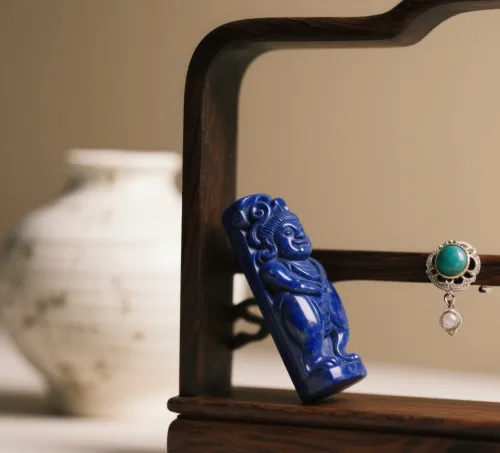
Picture a curious moment: You're browsing medieval manuscripts online and notice an intense azure pigment labeled "biblical sapphire"—but it perfectly matches your lapis lazuli pendant. At a gem show, a vendor claims those signature gold flecks represent "God's throne stone from Ezekiel". Or during Bible study, Exodus 24:10's "sapphire pavement" description seems strikingly similar to Afghan lapis samples. These common experiences highlight widespread confusion around ancient mineral terminology. Modern translations don't explicitly say "lapis lazuli", creating gaps where assumptions thrive. This article will clarify how biblical descriptions align with geological evidence, trace historical context, and equip you with observation skills to analyze scriptural-mineral claims yourself. We'll systematically examine original Hebrew terms, cross-reference archaeological findings, and build your identification toolkit—turning ambiguity into informed understanding.
When hearing vendor claims like "Lapis lazuli is God's throne stone!" at gem shows, confusion arises. This assumes a 1:1 translation equivalence, but ancient scribes described materials using familiar cultural references. Hebrew uses "sappir" – a term that evolved in meaning as gemology advanced. Why does this matter today? Modern "sapphire" specifically means blue corundum (Mohs 9 hardness), while biblical descriptions better match softer, mineral-rich lapis (Mohs 5.5). This terminology gap creates fertile ground for misinterpretation.
The clearer perspective: Biblical languages categorized stones by color, origin and symbolism rather than modern mineral definitions. "Sappir" occurs 12 times in the Old Testament—always describing divine visions like Ezekiel's throne (Ezekiel 1:26) or Exodus' heavenly pavement (Exodus 24:10). Historically, lapis lazuli was revered as the "sky stone" across Mesopotamia by 2000 BCE, directly overlapping biblical writing periods. Its celestial associations make symbolic alignment logical, while mineral analysis shows Egyptian pigments from biblical eras contained ground lapis. Translation isn't about word substitution but contextual interpretation.
Next time you encounter biblical gem claims: First, check the source language term—does it derive from Hebrew "sappir" or Greek "sappheiros"? Second, note the context: Visions of divine radiance? Third, request geological documentation when purchasing high-value antiquities. These steps bypass surface-level debates about terminology to analyze original symbolism.
That moment during Bible study when Exodus' "sapphire pavement" reminds you of Afghan lapis? Let's scrutinize those similarities. People instinctively visualize Scripture's celestial blue imagery as modern sapphire—its solid royal blue being iconic. But biblical text specifies a sky-like transparency inconsistent with opaque lapis. This apparent contradiction causes interpretive friction.
Technical details resolve this: Authentic lapis lazuli's appearance varies dramatically by quality and lighting. High-grade specimens show translucent edges where calcite veins are thin, especially when backlit—creating the "clear sky" effect described in Exodus 24:10. Mohs hardness comparisons provide objective clarification: True lapis (5.5) can't scratch quartz (7), while sapphire (9) easily does. Chemical evidence further confirms: Egyptian temple pigments from 1500 BCE contain lazurite particles traceable to Afghan lapis deposits, demonstrating biblical authors described familiar imported sacred materials, not corundum.
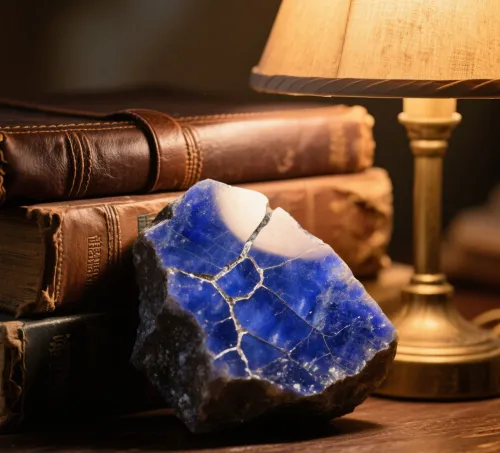
Apply this mineral understanding with three checks: When examining artifacts, rotate samples to observe atmospheric light interaction—natural lazurite may show faint orange UV fluorescence. Compare descriptions against historical high-grade Afghan specimens. Prioritize stones under ≤30% calcite content to match durability requirements described for sacred objects. Matching mineral properties to text eliminates reliance on terminology alone.
When biblical narratives mention "stones like the expanse of heaven" (Ezekiel 1:26), analyze the physical properties: Observe pyrite inclusion patterns under magnification—scattered golden flecks resembling stars reinforce celestial symbolism. Heavy white calcite veining often indicates the durability concerns reflected in scriptural accounts of sacred objects requiring sturdiness.
The puzzle: How could biblical authors describe lapis if excavations show no Israelite artifacts? Understandable scepticism arises from its absence in Jerusalem digs despite rich findings from contemporary Egyptian tombs. This seems to contradict the 12 mentions across biblical texts.
Here's contextual reality: Lapis lazuli traveled via elaborate 2000 BCE trade routes from Afghan mines to Mesopotamia, as verified by cuneiform tablets documenting royal imports. Israel stood midpoint on Egypt-Mesopotamia trade roads described in Genesis 37:25-28. While Israelites may not have possessed lapis artifacts extensively, they certainly encountered it culturally. First-century historian Josephus describes Temple furnishings potentially referencing lapis-inspired stones, suggesting symbolic continuity. Furthermore, Byzantine mosaics (400-600 CE) intentionally used lapis chips as "heavens" representations, proving interpretative tradition.
Strengthen evaluation skills: When analyzing cultural transmission claims, map trade routes against biblical accounts like Solomon's gem-filled reign (2 Chronicles 9:10). Consider archaeological absence doesn't equal cultural ignorance—textiles and cosmetics containing powdered lapis disintegrate over millennia. Finally, examine historical artwork depicting holiness concepts through consistent lapis-like color-coding of divine spaces.
That persistent vendor claim about Ezekiel's throne? Let's decode why it appears valid superficially. Vendors emphasize golden pyrite flecks as "divine sparks", leveraging biblical throne visions. But scripture focuses on color symbolism, not mineral inclusions. This selective focus exploits partial similarities while ignoring contextual priorities.
Build analytical defenses: Scriptural descriptions prioritize theological meaning over mineralogy—the radiant blue represents divine presence, not lapis itself. When evaluating claims, apply surface reflectivity tests: Rotate stones to see shifting waxy-to-vitreous luster, often revealing epoxy-treated simulants. Conduct simple pigment solubility tests by applying acetone gently. Observe light-fastness differences: Genuine lapis pigment sustained centuries in Egyptian tombs, while dyed stones degrade. No excavated Israelite religious artifact confirms lapis usage despite other gems appearing, urging methodological caution.
Practice artifact analysis: Museum visits become identification labs. Examine Byzantine mosaics where lapis chips interpret biblical skies. Note how artists abstracted meaning—using minerals as divine metaphors rather than literal depictions. When vendors reference Ezekiel, request geological provenance documents. If claims emphasize rare characteristics like unusual violet undertones (royal azure grade), verify against standard color grading ranges.
"That medieval art curator called it biblical sapphire!" – this interpretive leap frustrates collectors seeing lapis properties clearly. Artists historically adapted symbolic minerals based on available materials and theological priorities, creating layers of interpretation.
Cultural reality: Artists from Byzantine mosaicists to Renaissance painters used highest-grade Afghan lapis for "heavenly" symbolism precisely because of scriptural associations (Exodus 24:9-10). But medieval scribes called it "sapphire" following Latin terminology. What matters isn't naming consistency across eras, but symbolic continuity: Lapis represented divine radiance because its color evoked Sinai's sapphire pavement description. Chemical analysis proves they ground actual lapis while using their period's vocabulary. This reveals historical interpretation patterns, not scientific error.
Transform observations: Next time you see lapis used artistically for sacred scenes (Virgin Mary's robes, throne mosaics), recognize the intentional symbolic coding. Note the color range—celestial blue connects to scripture's sky comparisons. When analyzing historical artifacts, distinguish between descriptive language and material reality.
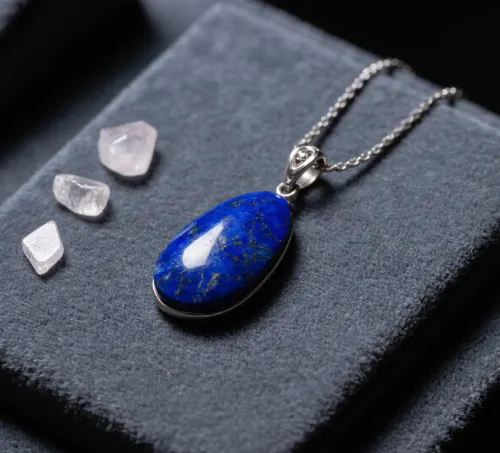
Remember that lapis pendant resembling medieval pigments? Let's turn those observations into systematic verification.
Apply modern identification protocols: Analyze atmospheric light interaction—natural lazurite may emit faint orange fluorescence under UV light unlike synthetics. Check calcite veining presence indicating authentic Afghan origin referenced in ancient trade records. Compare hardness values (genuine lapis at 5.5 won't scratch glass like sapphire at 9). Verify scatter patterns of pyrite flecks under magnification to distinguish from painted simulants.
Practical application: Create scripture-mineral analysis checklist: 1. Term origin: Hebrew "sappir" or Greek derivative? 2. Context: Divine visions or secular descriptions? 3. Geological match: Translucency when thin? Blue tone range? 4. Provenance: Mine aligned with ancient trade routes? Combine these observation layers with historical literacy about art interpretations.
Recall these three core takeaways: First, biblical "sappir" appears 12 times describing heavenly visions, translated variably through history. Second, authentic lapis matches scriptural mineral descriptions when evaluating key indicators like UV fluorescence reactions and calcite proportions. Third, absence in archaeological finds doesn't negate cultural familiarity—trade routes placed lapis within Israel's symbolic consciousness.
Put this into practice: Next time you encounter claims about biblical stones, avoid terminology traps. Instead, conduct crosslight examination for mineral authenticity checks or analyze trade route maps against scriptural dates. Store lapis jewelry away from harder gems like quartz to preserve surfaces described in historical texts. Remember—scripture consistently uses mineral language theologically, not geologically. Progress comes through incremental critical observation, not mystical revelation.
Q: Is lapis lazuli directly called "sapphire" in the Bible?
A: The Hebrew word "sappir" describes a blue stone scholars interpret as lapis lazuli today, contextualized by ancient mineral knowledge and usage patterns. Modern "sapphire" specifically denotes blue corundum.
Q: Can lapis lazuli fade with sun exposure?
A: Authentic, high-quality lapis tends to retain color due to its lightfastness. Chemical testing can reveal dyed simulants where pigment may degrade under prolonged UV light exposure.
Q: Why doesn't the New Testament mention lapis lazuli?
A: New Testament authors wrote primarily in Greek contexts using different mineral terminology. No text explicitly references lapis, though similar blue stones may appear symbolically in Revelation's cosmic descriptions.
Q: Are artificial lapis lazuli versions common?
A: Enhanced or composite versions can appear in modern jewelry, distinguishable through acetone testing or inconsistent pyrite distribution patterns. Historical biblical references correspond to natural material.


$
