Lapis lazuli can be purchased from reputable online gemstone retailers, specialized mineral shops, jewelry stores, and museum gift shops. When selecting lapis, remember this critical guideline: Always prioritize sellers who provide clear mineral composition details, as quality varies significantly based on geological formation. Your key takeaway should be examining provenance documentation before purchase decisions.
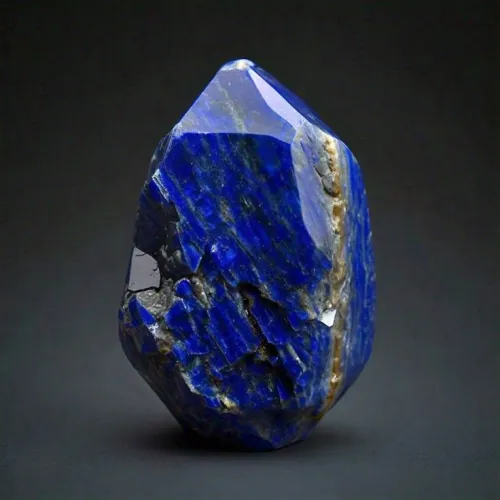
When that museum display sparked your fascination with ancient Egyptian blues, or when your friend's supposedly genuine piece revealed uneven coloring, it likely prompted the same core question: Where can trustworthy lapis lazuli be found? Many encounter unpredictable pricing online or confusing mineral variations that make purchasing feel risky. This confusion often arises from unfamiliarity with geological indicators and marketplace differences. In this guide, we'll methodically unpack the purchasing landscape - from evaluating seller credibility to recognizing natural mineral markers - helping you transform uncertainty into informed decision-making. You'll learn to navigate authenticity checks and value assessment with clearly structured, observable frameworks.
You've seen lists declaring "best places to buy lapis," but may question why museums appear alongside commercial retailers. After viewing overpriced pieces locally, it's natural to seek balanced options. This confusion commonly stems from unawareness about specialized niches within the lapis market.
In reality, lapis forms through metamorphic processes combining lazurite, calcite, and pyrite, meaning appropriate venues vary by usage goals. Certified gem dealers typically offer material ideal for collectors wanting geological documentation, whereas craft fairs sometimes feature stones with natural formations appreciated by mineral enthusiasts but possibly requiring stabilization for jewelry use. Museum shops provide ethically sourced historical reproductions that may preserve traditional cutting methods.
When comparing options, start by requesting the mineral dominance breakdown — premium pieces showing intense cornflower blue typically contain over 25% lazurite. Next, examine their presentation methods: Reputable sellers usually provide natural-light photographs taken from multiple angles, not just promotional studio shots. Finally, look for transparent geographic sourcing; Afghan-origin lapis tends to display richer blues compared to Chilean examples showing visible calcite veins.
Frustration often surfaces when nearly identical stones carry drastically different price tags, making you feel vulnerable to unfair pricing. For the sentimental collector revisiting childhood wonder, or the gift-giver seeking meaningful quality, confusion is entirely understandable given the varying lapis grades circulating.
Geological formation dictates significant cost variables. More valued Afghan deposits develop deep "cornflower" blues due to specific mineral ratios during metamorphism, unlike Chilean formations which may show pronounced gray-white veins. Additionally, Mohs hardness ratings of 5-5.5 mean jewelry-grade lapis requires stabilization treatments to prevent surface wear, whereas display specimens maintain natural textures.
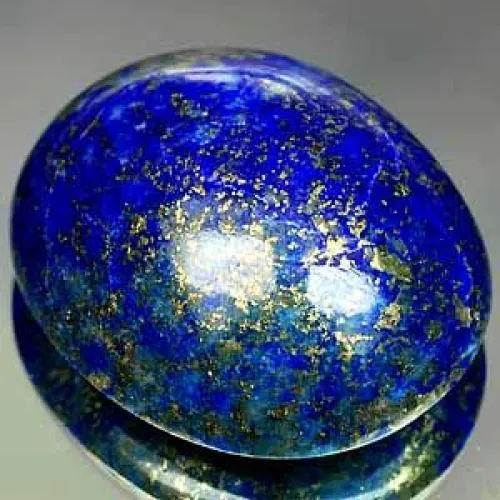
To navigate pricing effectively, follow this approach: First assess the calcite veining distribution — minimal streaks usually increase value. Next, observe how golden pyrite flecks reflect light; authentic crystals sparkle directionally across facets. Finally, request weight specifications; unexpectedly light pieces may indicate synthetic alternatives. Remember: Quality transparency affects pricing more than branding. When uncertain, ask "Can you describe the mineral ratios?" rather than "Is this top quality?"
When encountering uneven pigmentation across stones labeled simply "lapis lazuli," curiosity about what creates those celestial blues and gold flecks naturally emerges. Many buyers struggle connecting underground processes to visible characteristics affecting value and longevity.
The reality reveals fascinating natural chemistry: Authentic lapis forms through lazurite-dominated metamorphism where calcite creates streaking patterns and pyrite crystals generate glittering gold specks. These mineral relationships explain significant quality variations — untreated Afghan material may achieve unparalleled saturation because specific marble deposits concentrate lazurite, while Russian formations might show fractured cleavage planes affecting durability.
Evaluate stones like a geologist by starting with this quick inspection: Position the specimen against a light source to check translucency patterns. Moderate opacity often indicates balanced mineral proportions, whereas heavy shadow-blocking may suggest dyed composites. Note any textural inconsistencies; genuine crystals usually exhibit waxy rather than glassy surfaces. Applying this simple trick: Next market visit, bring a small flashlight to test material before purchasing.
That disappointing moment when your friend's "lapis" gift displays unnatural markings confirms why authentication skills matter. With sentimental buyers wanting childhood fascinations honored through genuine stones, understanding distinction becomes crucial amid widespread imitation.
Natural lapis shows specific characteristics rooted in its geological story: Pyrite forms golden crystalline inclusions within the matrix without metallic paint-like textures. Simultaneously, lazurite develops semi-transparent edges revealing mineral layers, whereas artificial alternatives often present uniform coloring without mineral depth. Over-polishing risks calcite erosion — authentic pieces tend to show natural matrix textures where minerals meet.
Implement these verification methods: First, examine with magnification for crystalline geometry in gold areas versus painted flat particles. Next, clean gently with microfiber cloths — treated surfaces might transfer dye. Finally, test density against similar-sized materials; synthetic versions sometimes feel abnormally light. A useful habit: When inspecting new pieces, keep a reference stone handy for quick comparisons.
Facing displays featuring vastly different specimens all marketed as "genuine lapis" creates decision fatigue, especially for new collectors seeking meaningful acquisitions. This uncertainty often stems from overlooking structured evaluation sequences prioritizing core mineral parameters.
Apply this consistent approach starting with mineral documentation: Reputable sellers provide geological origin disclosures distinguishing superior Afghan or Chilean traits. Next, assess stabilisation needs — jewellery applications typically require resin reinforcement against fracturing. Finally, consider display orientation; cutting angles impact visible lazurite intensity and pyrite distribution.
Create a simple observation checklist: First priority examines surface integrity under multiple light sources, noting color variations indicating natural formation. Second, inspect weight heft relative to similar pieces, since composite materials sometimes lack geological density. Third, track calcite vein thickness — fine "spiderweb" patterns may need stabilisation. Keep practicing: Compare three online listings while noting which provide mineral percentages.
Worrying whether that stunning ring can withstand daily wear or if a display specimen requires specialized conditions? Such practical questions surface frequently, especially after investing in meaningful lapis pieces destined for different purposes.
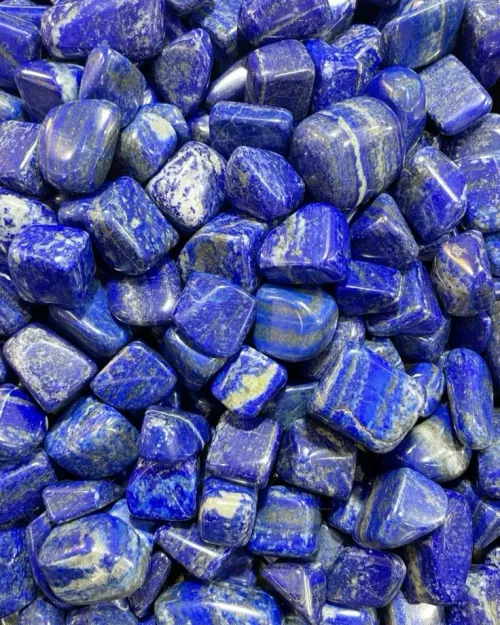
This mineral requires context-specific handling: While its 5-5.5 Mohs hardness works well in protected jewellery settings avoiding impacts, loose stones endure better when stored separately preventing quartz scratches. Pyrite components naturally interact with oxygen over time making sulfur-free storage vital. Surface luster tends to deepen professionally polished materials versus rough samples showing geological fractures.
Protect lapis investments through these protocols: For wearable pieces, select closed settings shielding vulnerable edges from contact. Maintenance requires simply wiping with microfiber cloths avoiding liquid saturation. Long-term preservation involves isolating specimens within padded containers and preventing sun overexposure sustaining color depth. Quick daily tip: When removing lapis jewellery, place it separately rather than tossing into boxes with harder stones.
Let's consolidate three pillars for confident decisions: First, geology guides outcomes — mineral dominance defines appearance and longevity. Second, authentication relies on specific signatures like pyrite crystallography, not subjective impressions. Finally, preservation depends on understanding usage contexts without overcomplicating care. These layered observations build competent judgment gradually.
Apply small-scale verification next time through one simple action: When inspecting any lapis piece, deliberately compare its density against similarly-sized stones while noting calcite distribution. This concrete step bypasses marketing language through tactile observation. Your acquisition expertise grows incrementally through such micro-assessments — mastery comes not from single flawless purchases but through systematically evaluating key markers.
Is lapis lazuli suitable for daily jewelry wear?
Its mineral composition may support jewelry use when properly stabilized and set in protective mounting. However, given the 5-5.5 Mohs hardness, pieces worn daily can develop scratches without careful handling; rings typically endure better than bracelets experiencing surface friction.
Does direct sunlight exposure affect lapis color over time?
Extended sunlight exposure tends to subtly impact some samples, particularly lower-quality stones containing certain minerals enhancing light sensitivity. High-lazurite lapis typically shows better stability, but preventive storage practices help sustain its visual appeal.
Why do different geographical origins command distinct pricing?
Historically Afghan-sourced lapis generally exhibits richer blues and valued pyrite distribution patterns formed through specific geological conditions, whereas Chilean alternatives commonly show more obvious calcite webbing. These material variations combined with mining costs create natural price variations.
How to pronounce lapis lazuli correctly?
The traditional pronunciation follows "LA-pis LAZ-oo-lee," maintaining the Latin linguistic roots describing this "stone of azure" without ambiguity. Regional accents may slightly modify cadence without compromising recognition.


$
